Leading a Hybrid or Remote Team
How to Lead Salespeople Without Losing the Human Connection
Leading a sales team has always required trust, communication, and accountability. Leading a hybrid or remote sales team requires even more intentionality. When people aren't sitting in the same office every day, leaders can no longer rely on casual hallway conversations, walking by someone's desk, or simply observing the team to understand how things are going. The distance can create opportunities for greater flexibility and productivity, but it can also create isolation, disengagement, and uncertainty if leaders aren't intentional about staying connected.
One of the most important habits a leader can develop is having regular individual check-ins with team members. These conversations should happen throughout the year, not just during an annual performance review. This is especially important for new team members. A new salesperson may be trying to learn the products, understand the culture, build a territory, establish customer relationships, and figure out what success looks like all at the same time. Waiting six or twelve months to discover that someone is struggling is not leadership. Great leaders create regular opportunities to ask, "How can I help you win?"
That question represents a fundamental shift in leadership. Instead of making every conversation about what an employee has done wrong or what number they missed, focus on what they need to succeed. What obstacles are they facing? Where are they getting stuck? What customers are they struggling to reach? What resources would help them? What skill would make the biggest difference in their performance? Leaders should think of themselves as coaches whose job is to remove barriers and help each person become successful.
That does not mean leaders should micromanage. In fact, remote and hybrid teams can suffer when leaders try to compensate for distance by monitoring every activity. Constantly checking whether someone is online, counting every email, or demanding updates throughout the day may create the appearance of accountability without actually creating performance. Trust is essential. Give people clarity around expectations, provide the tools they need, and then give them the freedom to execute. Accountability should focus on results and meaningful behaviors rather than making employees prove they are busy.
For that approach to work, every team member needs to know exactly what winning looks like. The challenge is that winning may not look the same for everyone. A new salesperson building a territory may have different key performance indicators than an experienced salesperson managing a large book of business. One team member may need to focus heavily on prospecting and creating new relationships, while another may need to focus on retention, expansion, or strategic account development. Treating everyone exactly the same does not necessarily create fairness. Effective leaders understand the individual's role, experience, territory, and goals and establish KPIs that make sense for that person.
This is where leaders need to move beyond simply measuring activity. Telling every salesperson they need to make a certain number of calls each day may be easy to manage, but it doesn't necessarily produce better sales. Instead, identify the behaviors that lead to success for each individual. Maybe one salesperson needs to improve discovery conversations. Another may need to develop stronger follow-up habits. Another may need to spend more time with existing customers uncovering expansion opportunities. The objective is to create clarity around the behaviors and outcomes that matter most.
Hybrid teams also create an incredible opportunity for peer-to-peer mentoring. Every member of a team has strengths, experiences, and knowledge that can benefit someone else. One salesperson may be exceptional at opening new accounts. Another may be outstanding at building long-term customer relationships. Someone else may be great at presentations, negotiation, or using the CRM effectively. Instead of expecting the manager to be the source of every answer, create an environment where team members teach one another. When people are encouraged to share their strengths, the entire team becomes stronger and the person doing the teaching often gets better at their own skill as well.
Perhaps the most important thing leaders can avoid is the "sink or swim" mentality. Some organizations believe the best way to develop salespeople is to throw them into the territory and see who survives. While this may identify people who are naturally resilient, it does little to develop everyone else. Great leaders don't lower expectations, but they provide a bridge between where someone is today and where they need to be. They establish clear expectations, provide coaching, create opportunities to learn, and stay close enough to recognize problems before they become failures.
The best hybrid and remote leaders understand that physical distance does not have to create relational distance. In fact, intentional leadership can create stronger relationships than many traditional office environments. Regular one-on-one conversations, clear expectations, individualized KPIs, peer mentoring, and meaningful coaching create a culture where people know they are supported while still being accountable for their performance.
Ultimately, leading a remote or hybrid sales team comes down to one simple question: Are you managing people's activity, or are you helping people win?
Because great leadership isn't about watching people work. It's about helping people succeed.
Master the Art of Influence: Build Trust, Drive Sales, and Lead Effectively
Are you ready to become the magnetic force that attracts top performers and your best customers?
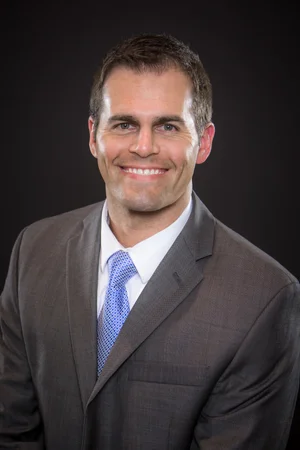
I’m Kevin Sidebottom—keynote speaker, sales trainer, and author—and I help organizations unlock the power of influence to achieve breakthrough results.
In this blog, I reveal why influence is the ultimate currency in business and leadership—and how you can use it to:✅ Motivate customers to stay loyal and buy again✅ Build trust and engagement with your team✅ Transform your leadership approach to inspire stronger performance
With decades of experience studying why people buy and how leaders earn loyalty, I equip sales professionals and executives to deliver lasting value, strengthen customer relationships, and drive higher revenue.
👉 Featured Resources to Grow Your Influence:
· Email: kevin@kevinsidebottom.com