
Leading a Hybrid or Remote Team
How to Lead Salespeople Without Losing the Human Connection
Leading a sales team has always required trust, communication, and accountability. Leading a hybrid or remote sales team requires even more intentionality. When people aren't sitting in the same office every day, leaders can no longer rely on casual hallway conversations, walking by someone's desk, or simply observing the team to understand how things are going. The distance can create opportunities for greater flexibility and productivity, but it can also create isolation, disengagement, and uncertainty if leaders aren't intentional about staying connected.
One of the most important habits a leader can develop is having regular individual check-ins with team members. These conversations should happen throughout the year, not just during an annual performance review. This is especially important for new team members. A new salesperson may be trying to learn the products, understand the culture, build a territory, establish customer relationships, and figure out what success looks like all at the same time. Waiting six or twelve months to discover that someone is struggling is not leadership. Great leaders create regular opportunities to ask, "How can I help you win?"
That question represents a fundamental shift in leadership. Instead of making every conversation about what an employee has done wrong or what number they missed, focus on what they need to succeed. What obstacles are they facing? Where are they getting stuck? What customers are they struggling to reach? What resources would help them? What skill would make the biggest difference in their performance? Leaders should think of themselves as coaches whose job is to remove barriers and help each person become successful.
That does not mean leaders should micromanage. In fact, remote and hybrid teams can suffer when leaders try to compensate for distance by monitoring every activity. Constantly checking whether someone is online, counting every email, or demanding updates throughout the day may create the appearance of accountability without actually creating performance. Trust is essential. Give people clarity around expectations, provide the tools they need, and then give them the freedom to execute. Accountability should focus on results and meaningful behaviors rather than making employees prove they are busy.
For that approach to work, every team member needs to know exactly what winning looks like. The challenge is that winning may not look the same for everyone. A new salesperson building a territory may have different key performance indicators than an experienced salesperson managing a large book of business. One team member may need to focus heavily on prospecting and creating new relationships, while another may need to focus on retention, expansion, or strategic account development. Treating everyone exactly the same does not necessarily create fairness. Effective leaders understand the individual's role, experience, territory, and goals and establish KPIs that make sense for that person.
This is where leaders need to move beyond simply measuring activity. Telling every salesperson they need to make a certain number of calls each day may be easy to manage, but it doesn't necessarily produce better sales. Instead, identify the behaviors that lead to success for each individual. Maybe one salesperson needs to improve discovery conversations. Another may need to develop stronger follow-up habits. Another may need to spend more time with existing customers uncovering expansion opportunities. The objective is to create clarity around the behaviors and outcomes that matter most.
Hybrid teams also create an incredible opportunity for peer-to-peer mentoring. Every member of a team has strengths, experiences, and knowledge that can benefit someone else. One salesperson may be exceptional at opening new accounts. Another may be outstanding at building long-term customer relationships. Someone else may be great at presentations, negotiation, or using the CRM effectively. Instead of expecting the manager to be the source of every answer, create an environment where team members teach one another. When people are encouraged to share their strengths, the entire team becomes stronger and the person doing the teaching often gets better at their own skill as well.
Perhaps the most important thing leaders can avoid is the "sink or swim" mentality. Some organizations believe the best way to develop salespeople is to throw them into the territory and see who survives. While this may identify people who are naturally resilient, it does little to develop everyone else. Great leaders don't lower expectations, but they provide a bridge between where someone is today and where they need to be. They establish clear expectations, provide coaching, create opportunities to learn, and stay close enough to recognize problems before they become failures.
The best hybrid and remote leaders understand that physical distance does not have to create relational distance. In fact, intentional leadership can create stronger relationships than many traditional office environments. Regular one-on-one conversations, clear expectations, individualized KPIs, peer mentoring, and meaningful coaching create a culture where people know they are supported while still being accountable for their performance.
Ultimately, leading a remote or hybrid sales team comes down to one simple question: Are you managing people's activity, or are you helping people win?
Because great leadership isn't about watching people work. It's about helping people succeed.
Master the Art of Influence: Build Trust, Drive Sales, and Lead Effectively
Are you ready to become the magnetic force that attracts top performers and your best customers?
I’m Kevin Sidebottom—keynote speaker, sales trainer, and author—and I help organizations unlock the power of influence to achieve breakthrough results.
In this blog, I reveal why influence is the ultimate currency in business and leadership—and how you can use it to:✅ Motivate customers to stay loyal and buy again✅ Build trust and engagement with your team✅ Transform your leadership approach to inspire stronger performance
With decades of experience studying why people buy and how leaders earn loyalty, I equip sales professionals and executives to deliver lasting value, strengthen customer relationships, and drive higher revenue.
👉 Featured Resources to Grow Your Influence:
· Email: kevin@kevinsidebottom.com

Hiring Sales Talent for Long-Term Success
Every sales leader has felt the pressure. A territory is uncovered, opportunities are piling up, and revenue goals are approaching. The temptation is to hire quickly, fill the seat, and get someone selling as soon as possible. Unfortunately, the cost of a bad sales hire is often far greater than the cost of waiting a few extra weeks to find the right one. Lost opportunities, damaged customer relationships, lower team morale, and the expense of recruiting all over again make poor hiring decisions incredibly costly. The best organizations understand that hiring exceptional sales talent begins by slowing down.
One of the biggest mistakes companies make is extending an offer after only one or two interviews. Sales professionals are, by nature, skilled communicators. They know how to build rapport, answer questions confidently, and present themselves well. A great interview, however, does not always translate into great performance. Hiring managers should resist the urge to make quick decisions and instead create a process that reveals how candidates think, prepare, solve problems, and fit within the organization's culture. The goal is not simply to determine whether someone can interview well, it is to determine whether they can consistently deliver value to customers and contribute to the team over the long term.
An effective way to evaluate sales talent is to let candidates demonstrate what they do best. Rather than asking only traditional interview questions, ask them to sell your product or service to you and your team. Provide enough information for them to prepare, then observe how they approach the conversation. Do they ask thoughtful questions before making recommendations? Do they seek to understand the customer's needs, or do they immediately begin pitching features? Are they focused on building trust or simply closing the sale? The exercise reveals far more than a résumé ever could because it showcases preparation, curiosity, communication skills, and sales philosophy in action.
Before organizations can hire great salespeople, they must first define what great looks like within their own business. Every company has top performers, but many leaders struggle to explain exactly why those individuals succeed. Is it their work ethic? Their preparation? Their ability to build trust? Their follow-up? Their product knowledge? The best hiring processes begin by identifying the behaviors and characteristics that consistently lead to success inside the organization. Once those traits are clearly understood, leaders can evaluate candidates against a proven standard instead of relying on instinct alone.
Another often-overlooked hiring strategy is involving your strongest sales professionals in the interview process. High performers know what excellence looks like because they live it every day. Invite them to observe a candidate's sales presentation, ask questions, and provide feedback. Their perspective can reveal strengths and concerns that hiring managers may overlook. Of course, this works best with individuals who are humble, collaborative, and genuinely invested in building a stronger team. The right top performers are not threatened by talented new hires, they welcome them because they understand that raising the level of the team benefits everyone.
Skills and experience matter, but culture fit matters just as much. A salesperson who consistently exceeds quota but damages relationships, ignores company values, or creates conflict within the team rarely contributes to long-term success. Great organizations hire people who not only have the ability to perform but also strengthen the culture they are joining. Technical skills can often be developed. Character, attitude, humility, integrity, and the ability to influence others positively are much harder to teach.
Some of the most admired organizations recognize this reality and intentionally design lengthy hiring processes. Companies like Ramsey Solutions are known for taking their time to evaluate candidates from multiple angles before extending an offer. While their exact process may not fit every organization, the principle is worth embracing: exceptional hires deserve exceptional evaluation. The goal is not to make hiring more difficult. The goal is to make hiring more intentional.
Hiring great sales talent is one of the most important investments a leader can make. Every new salesperson has the potential to strengthen customer relationships, elevate team performance, and drive long-term growth, or create costly setbacks that take months or years to overcome. The organizations that consistently build elite sales teams understand that success begins long before a salesperson ever makes their first call. It begins with a thoughtful hiring process that values preparation over urgency, character over charisma, and long-term fit over short-term convenience.
One hiring philosophy has served great leaders for decades: hire for influence, train for skill. Products change. Markets evolve. Sales processes improve. Those things can all be taught. But curiosity, humility, coachability, integrity, and the ability to earn trust are qualities that are much more difficult to develop. When organizations hire people who naturally build relationships and positively influence others, they create a foundation for long-term success. Skills can be sharpened through training, but character and influence are what sustain exceptional performance.
Because the best sales teams are not built by hiring fast. They are built by hiring right.
Master the Art of Influence: Build Trust, Drive Sales, and Lead Effectively
Are you ready to become the magnetic force that attracts top performers and your best customers?
I’m Kevin Sidebottom—keynote speaker, sales trainer, and author—and I help organizations unlock the power of influence to achieve breakthrough results.
In this blog, I reveal why influence is the ultimate currency in business and leadership—and how you can use it to:✅ Motivate customers to stay loyal and buy again✅ Build trust and engagement with your team✅ Transform your leadership approach to inspire stronger performance
With decades of experience studying why people buy and how leaders earn loyalty, I equip sales professionals and executives to deliver lasting value, strengthen customer relationships, and drive higher revenue.
👉 Featured Resources to Grow Your Influence:
· Email: kevin@kevinsidebottom.com
· The Sales Process Uncovered Membership
· The Sales Process Uncovered (Book on Amazon)
If you’re serious about elevating your sales process, leadership impact, and team performance, this blog will show you the path.

Building High-Performance Cross-Functional Teams
Many of today's most important business initiatives require people from different departments working together. Whether launching a new product, improving the customer experience, implementing new technology, or solving a complex organizational challenge, success often depends on cross-functional teams. Yet many leaders quickly discover that leading these teams is very different from leading people who report directly to them.
The reason is simple: authority only goes so far. In cross-functional environments, influence becomes the leader's most valuable asset. Team members may come from different departments, have different priorities, report to different managers, and be measured by different objectives. You cannot rely on position alone to drive collaboration. You must earn commitment through trust, credibility, communication, and relationships. The leaders who succeed in cross-functional environments understand that influence—not authority—is what creates alignment and momentum.
One of the biggest mistakes leaders make when managing cross-functional teams is treating team members as resources rather than partners. Because these individuals do not report directly to the project leader, it can be tempting to focus solely on deliverables and deadlines. High-performing teams, however, are built when people feel valued and respected regardless of reporting structure. Team members want to know their expertise matters. They want their perspectives heard. They want to feel like contributors rather than borrowed assets. When leaders demonstrate appreciation, recognize contributions, and actively seek input, they create an environment where collaboration thrives.
One strategy that can dramatically improve cross-functional relationships is borrowing a concept from sales. Great sales professionals invest time learning about their customers because they understand relationships drive results. The same principle applies internally. Leaders should build a profile of key stakeholders much like they would a customer profile in a CRM system. Learn their goals, challenges, communication preferences, pressures, and priorities. Understand what success looks like for them and what obstacles they are facing. The more you understand the people you work with, the easier it becomes to communicate effectively, align interests, and build trust.
This approach also helps leaders avoid a common trap: assuming everyone is motivated by the same things. A finance leader may view success differently than an operations leader. A marketing manager may have different concerns than someone in IT. When leaders take the time to understand these differences, they can frame conversations in ways that resonate with each stakeholder. As a result, collaboration becomes easier because people feel understood rather than managed.
Strong cross-functional teams are built through consistent deposits into what many call the "relationship bank account." Every positive interaction, follow-up, recognition, and act of support becomes a deposit. Every missed commitment, lack of communication, or failure to listen becomes a withdrawal. Just like customer relationships, internal relationships require intentional investment over time. Leaders who make regular deposits build trust that allows teams to navigate disagreements, challenges, and competing priorities more effectively.
These deposits do not have to be large. A simple thank you, a quick check-in, sharing credit publicly, or helping a team member solve a problem can strengthen relationships significantly. Over time, those small actions compound into credibility and trust. When difficult conversations arise and they inevitably will, leaders who have invested in relationships find people far more willing to collaborate and find solutions.
Ultimately, high-performance cross-functional teams are not built through organizational charts. They are built through influence, trust, and genuine relationships. Leaders who value people beyond their reporting structure, take time to understand their stakeholders, and consistently invest in relationship-building create teams that work together more effectively and achieve better results.
The strongest leaders know that when authority ends, influence begins. And in cross-functional teams, influence is often the difference between cooperation and true collaboration.
Master the Art of Influence: Build Trust, Drive Sales, and Lead Effectively
Are you ready to become the magnetic force that attracts top performers and your best customers?
I’m Kevin Sidebottom—keynote speaker, sales trainer, and author—and I help organizations unlock the power of influence to achieve breakthrough results.
In this blog, I reveal why influence is the ultimate currency in business and leadership—and how you can use it to:✅ Motivate customers to stay loyal and buy again✅ Build trust and engagement with your team✅ Transform your leadership approach to inspire stronger performance
With decades of experience studying why people buy and how leaders earn loyalty, I equip sales professionals and executives to deliver lasting value, strengthen customer relationships, and drive higher revenue.
👉 Featured Resources to Grow Your Influence:
· Email: kevin@kevinsidebottom.com
· The Sales Process Uncovered Membership
· The Sales Process Uncovered (Book on Amazon)
If you’re serious about elevating your sales process, leadership impact, and team performance, this blog will show you the path.

Overcoming Leadership Challenges in Hyper-Growth Teams
Hyper-growth is exciting. Revenue climbs, opportunities multiply, and momentum builds quickly. But behind the scenes, many leaders carry the same quiet fear: “What happens to our culture as we grow?”
In the early days, culture feels natural. Small teams communicate constantly, leaders are visible, and values are lived out daily. As the organization expands, that closeness can disappear fast. New hires arrive in waves, communication becomes layered, and leaders spend more time in meetings than with people. Growth that looks healthy financially can slowly weaken the very culture that created the success in the first place.
One of the biggest mistakes organizations make during rapid growth is rushing the hiring process. Many companies rely on one or two interviews and make decisions based on urgency rather than fit. But in hyper-growth, the wrong hire costs far more than a delayed hire. A poor fit can damage morale, create friction, lower performance standards, and quietly erode culture over time. Strong organizations understand that hiring is not just about filling seats, it is about protecting the future of the team. That often means extending the interview process, involving multiple perspectives, and taking the time to evaluate character, values, and cultural alignment, not just technical skill.
At the same time, leaders cannot become paralyzed by caution. Growth requires forward movement. Positions need to be filled, customers need to be served, and momentum matters. The challenge is balancing speed with discernment. The goal is not to hire slowly for the sake of hiring slowly. The goal is to hire intentionally. Hyper-growth teams win when they build systems that allow them to move quickly without compromising who they are.
One of the most effective ways to protect culture is to involve the team in building it. Great employees tend to know what great employees look like. When team members are engaged and trusted, they often become powerful recruiters for the organization. They recommend people who match the work ethic, attitude, and standards of the team. As the saying goes, “workhorses recruit workhorses, not donkeys.” High performers want to work alongside other high performers. Leaders who create strong internal cultures often find that their best recruiting channel is the team they already have.
Another challenge in hyper-growth is leadership visibility. As organizations scale, executives can unintentionally drift away from the front lines. Calendars fill up, offices become isolated, and communication turns into polished announcements rather than real conversations. But culture is not maintained through memos and videos alone. Leaders need to get out of their offices and do temperature checks with both team members and customers. Walk the floor. Sit with employees. Ask questions. Listen without rushing to respond. Meet customers face-to-face in their environments. These opportunities reveal what dashboards and reports never will: morale, trust, frustration, and the real health of the organization.
I once heard about a CEO employees joked was “AI” because no one ever saw him in person. Every company update came through a video announcement. While the videos were polished, the absence of personal presence created distance. People do not build trust with a screen. They build trust through visibility, accessibility, and human interaction. In hyper-growth environments especially, employees need to know their leaders are present, engaged, and connected to reality on the ground.
The organizations that scale successfully understand that culture does not survive by accident. It is reinforced through intentional hiring, empowered teams, visible leadership, and consistent human connection. Hyper-growth will test every part of an organization, but leaders who stay close to their people, protect the culture in hiring, and listen actively to both employees and customers create teams that grow stronger as they scale, not weaker.
Growth is not just about getting bigger. It is about becoming better while you do.
Master the Art of Influence: Build Trust, Drive Sales, and Lead Effectively
Are you ready to become the magnetic force that attracts top performers and your best customers?
I’m Kevin Sidebottom—keynote speaker, sales trainer, and author—and I help organizations unlock the power of influence to achieve breakthrough results.
In this blog, I reveal why influence is the ultimate currency in business and leadership—and how you can use it to:✅ Motivate customers to stay loyal and buy again✅ Build trust and engagement with your team✅ Transform your leadership approach to inspire stronger performance
With decades of experience studying why people buy and how leaders earn loyalty, I equip sales professionals and executives to deliver lasting value, strengthen customer relationships, and drive higher revenue.
👉 Featured Resources to Grow Your Influence:
· Email: kevin@kevinsidebottom.com
· The Sales Process Uncovered Membership
· The Sales Process Uncovered (Book on Amazon)
If you’re serious about elevating your sales process, leadership impact, and team performance, this blog will show you the path.
Presentation Skills Every Leader Needs to Influence
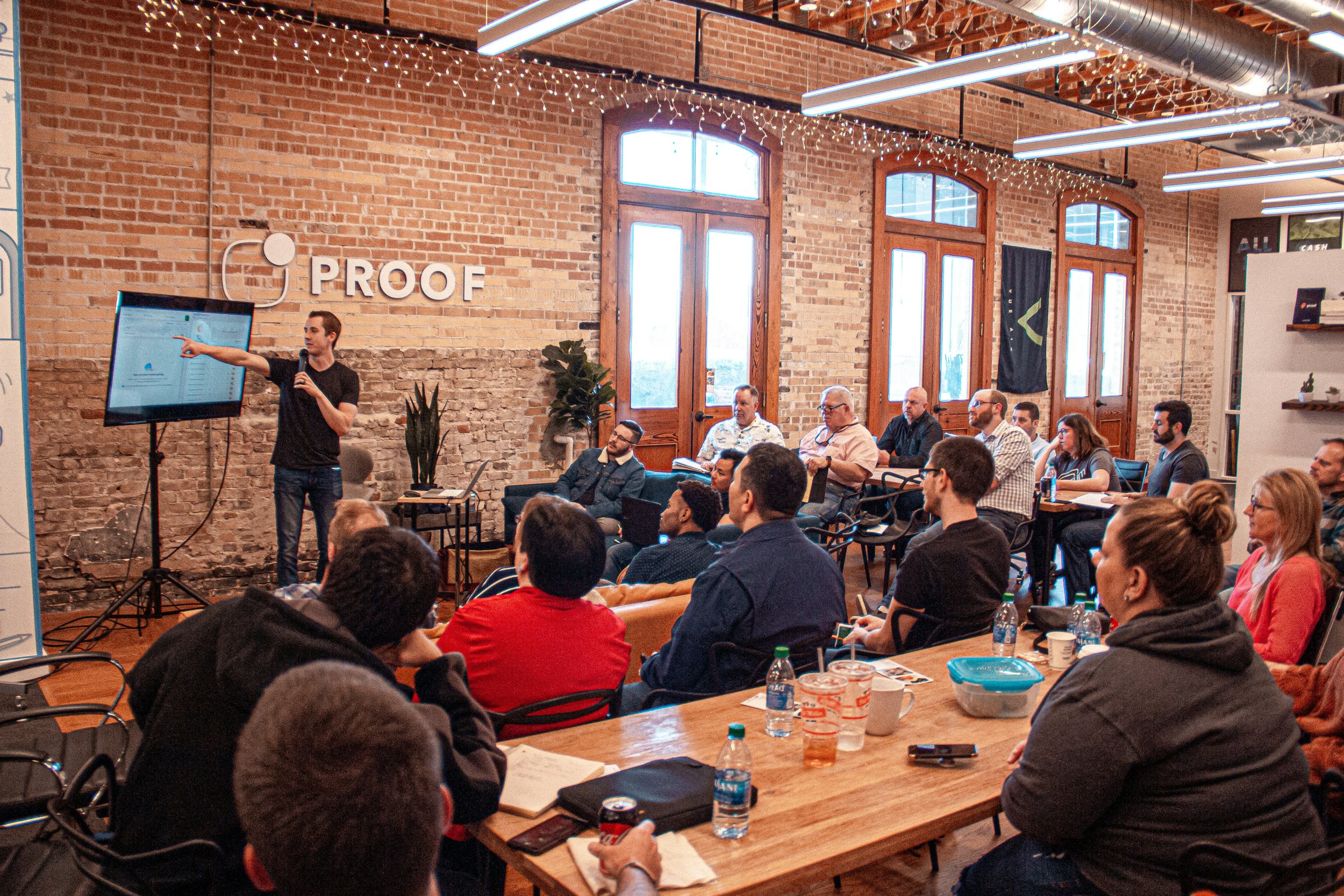
Great leaders are not just responsible for making decisions. They are responsible for communicating those decisions in a way that inspires action, creates clarity, and builds trust. That is why presentation skills are no longer optional for leaders. They are essential.
Every day, leaders are presenting. It may not always happen on a stage with a microphone and spotlight, but presentations happen constantly. Team meetings, client conversations, sales calls, training sessions, boardroom updates, and one-on-one coaching conversations all require the ability to communicate effectively.
The challenge is that many leaders confuse presenting with simply delivering information. But strong presentation skills are not about dumping information on people. They are about helping people connect with the message, understand the value, and remember what matters most.
The leaders who influence people best know how to communicate in a way that feels personal, engaging, and human.
Great Presentation Skills Start with Valuing the Audience
One of the biggest mistakes presenters make is focusing too much on what they want to say instead of what the audience actually needs to hear.
Strong presentation skills begin with understanding the people in front of you. Before building a presentation, effective leaders ask questions like:
What challenges is this audience facing?
What matters most to them?
What problem am I helping solve?
What is the one thing they absolutely need to remember?
When audiences feel like a presentation was built for them instead of delivered at them, engagement immediately increases.
People do not want to feel trapped in a lecture. They want to feel understood. They want to know the speaker values their time and respects their attention.
That is why the best presenters focus less on impressing audiences and more on serving them.
Ironically, the moment a presenter stops trying to sound impressive is often the moment they become far more influential.
Presentation Skills Improve When You Speak One-on-One
Many people become nervous during presentations because they feel like they are “performing” for a crowd. That pressure causes presenters to sound robotic, overly scripted, or unnatural.
One of the most effective presentation skills a leader can develop is learning how to speak to a room the same way they would speak to one person.
Great presenters make large audiences feel small. They create conversations instead of performances.
They use eye contact naturally. Their tone feels conversational. Their examples feel relatable. And instead of sounding rehearsed, they sound authentic.
This approach helps important points land more effectively because people feel personally connected to the message.
Think about the presentations you remember most. Chances are, the speaker made you feel like they were talking directly to you rather than broadcasting generic information to a crowd.
Connection creates engagement. Engagement creates retention. And retention creates influence.
Stop Relying on Excessive Bullet Points
One of the fastest ways to lose an audience is to overload them with slides full of bullet points. The old saying that “bullets kill” is true when giving presenations.
Unfortunately, many presentations turn into reading exercises instead of communication experiences. Audiences are forced to choose between reading crowded slides or listening to the presenter, and most end up doing neither effectively.
Strong presentation skills require simplification.
Slides should support the speaker, not replace the speaker. The best presenters use visuals, short phrases, key ideas, and memorable takeaways rather than overwhelming people with paragraphs of information.
If every slide looks like a legal contract, your audience will mentally check out before slide three.
A good presentation is not measured by how much information you can fit onto a screen. It is measured by how clearly people understand and remember the message afterward.
Sometimes less information creates far more impact.
Humor Makes Presentations More Engaging
One of the most overlooked presentation skills is the ability to create comfort and energy in a room. Humor is one of the best ways to accomplish that.
This does not mean leaders need to become comedians or force awkward jokes into presentations. In fact, forced humor usually creates more tension than connection.
The best humor in presentations comes naturally through relatable observations, personal experiences, or light self-awareness.
A simple funny moment can instantly relax an audience and make a presenter feel more approachable. It also helps break up tension and maintain attention.
Because the reality is, nobody enjoys listening to a presentation that sounds like it was generated by an instruction manual.
People connect with speakers who feel human.
Even small moments of humor can make presentations more memorable because audiences associate positive emotions with the speaker and the message.
Presentation Skills Are Really About Connection
At the core of every strong presentation skill is one thing: connection.
The best presenters know how to make audiences feel valued, engaged, and involved. They simplify instead of overwhelm. They communicate naturally instead of sounding scripted. They use humor to create warmth and connection.
Most importantly, they understand that presentations are not about showing how much the speaker knows. They are about helping the audience walk away with clarity, confidence, and connection.
Because people rarely remember every slide from a presentation.
But they always remember how the presenter made them feel.
Master the Art of Influence: Build Trust, Drive Sales, and Lead Effectively
Are you ready to become the magnetic force that attracts top performers and your best customers?
I’m Kevin Sidebottom—keynote speaker, sales trainer, and author—and I help organizations unlock the power of influence to achieve breakthrough results.
In this blog, I reveal why influence is the ultimate currency in business and leadership—and how you can use it to:✅ Motivate customers to stay loyal and buy again✅ Build trust and engagement with your team✅ Transform your leadership approach to inspire stronger performance
With decades of experience studying why people buy and how leaders earn loyalty, I equip sales professionals and executives to deliver lasting value, strengthen customer relationships, and drive higher revenue.
👉 Featured Resources to Grow Your Influence:
· Email: kevin@kevinsidebottom.com
· The Sales Process Uncovered Membership
· The Sales Process Uncovered (Book on Amazon)
If you’re serious about elevating your sales process, leadership impact, and team performance, this blog will show you the path.

Does Body Language Increase Influence?
Ever left a conversation and something just did not seem right? You couldn’t quite put your finger on it, but in your gut you knew something was off?
Sales professionals spend a lot of time thinking about what to say, when to say it, and how to amaze their customers with the right presentations. The best ones also think about this one other key ingredient. They focus on how they show up.
Body language plays a significant role in influence, not because it replaces strong messaging, but because it reinforces it. When verbal and nonverbal communication align, trust builds faster. When these things don’t line up, people notice. Buyers may not always be able to explain why something feels off, but they can sense it.
Below are a few ways to make sure you are fine tuning your approach when meeting with others.
One of the most overlooked elements of influence is pace of speech. Speak too quickly and you can come across as anxious or overly eager. Speak too slowly and you risk losing energy and engagement. Effective communicators match the tempo of the conversation. They know when to slow down to emphasize a key point and when to pick up the pace to maintain momentum. Adjusting your pace shows awareness, and awareness builds connection. I learned this by getting thrown out of a customer’s business because I spoke too fast. Yes that happened!
Body position is another critical factor. How you sit, stand, and orient yourself in a conversation communicates just as much as your words. Open posture, shoulders relaxed, facing the other person signals confidence and approachability. Closed posture, arms crossed, turned away, distracted can create distance, even if your message is strong. People are more likely to trust and engage with someone who appears present and attentive.
Then there’s mirroring, one of the most powerful (and often misunderstood) tools for building rapport. Mirroring is the subtle practice of aligning your tone, pace, and physical positioning with the person you’re speaking with. It’s not about mimicking in an obvious or forced way, it’s about creating a natural sense of familiarity. When done well, it helps the other person feel understood and comfortable, which lowers resistance in the conversation.
The reason mirroring works is simple: people trust what feels familiar. When someone communicates in a way that reflects their own style, it creates a sense of alignment. That alignment makes conversations smoother and decisions easier on the other person building trust which makes influence.
But here’s the key, body language is a multiplier, not a shortcut.
You can’t rely on posture or pacing to replace substance. If your message lacks value, no amount of mirroring will fix it. But when your message is strong and your body language supports it, your influence increases significantly.
Sales leaders and professionals who pay attention to these details gain an edge over the competition. They listen not just to words, but to tone, energy, and engagement. They adjust in real-time. They become easier to talk to, easier to trust, and ultimately, easier to do business with.
Influence isn’t just about what you say. It’s about how it’s experienced.
And when your body language reinforces your intent, your message doesn’t just get heard it gets believed by others.
Have a great week!
Master the Art of Influence: Build Trust, Drive Sales, and Lead Effectively
Are you ready to become the magnetic force that attracts top performers and your best customers?
I’m Kevin Sidebottom—keynote speaker, sales trainer, and author—and I help organizations unlock the power of influence to achieve breakthrough results.
In this blog, I reveal why influence is the ultimate currency in business and leadership—and how you can use it to:✅ Motivate customers to stay loyal and buy again✅ Build trust and engagement with your team✅ Transform your leadership approach to inspire stronger performance
With decades of experience studying why people buy and how leaders earn loyalty, I equip sales professionals and executives to deliver lasting value, strengthen customer relationships, and drive higher revenue.
👉 Featured Resources to Grow Your Influence:
· Email: kevin@kevinsidebottom.com
· The Sales Process Uncovered Membership
· The Sales Process Uncovered (Book on Amazon)
If you’re serious about elevating your sales process, leadership impact, and team performance, this blog will show you the path.

The Hidden Pitfalls of Persuasive Leadership
Persuasion is often seen as a hallmark of strong leadership. Leaders are encouraged to communicate compelling visions, rally their teams, and convince others to move in a certain direction. While persuasion certainly has its place, relying on it too heavily can create unintended consequences within a team.
When leaders consistently depend on persuasion, they may unknowingly weaken trust. Team members can begin to feel that decisions are being “sold” to them rather than openly discussed. Even when the leader’s intentions are positive, constant persuasion can make people question whether they are hearing the full picture or simply the most convincing version of it. Over time, that perception can erode confidence in leadership.
Engagement can also suffer when persuasion becomes the primary leadership tool. If leaders are always presenting the answer and persuading others to accept it, team members may stop offering their own ideas. Instead of contributing perspectives or solutions, they begin waiting to hear what the leader has already decided. What once looked like alignment can quietly turn into passive compliance.
Speed is another area where persuasion can slow progress. Persuasion often requires repeated conversations, explanations, and reinforcement to bring everyone along. Leaders may spend significant time convincing people rather than empowering them to act. When teams feel ownership over decisions, they move faster. When they feel like they must be convinced, progress tends to stall.
The alternative isn’t abandoning persuasion altogether—it’s shifting the focus toward service and influence. Leaders who view their role as serving their team approach decisions differently. They seek input earlier, communicate transparently, and invite people to think through challenges together. This approach builds trust because team members feel respected rather than managed.
Influence grows naturally in environments where leaders consistently add value to their teams. When leaders provide clarity, remove obstacles, and help people succeed, their voice carries weight without needing to persuade constantly. Team members listen because they trust the leader’s intentions and experience, not because they were convinced in the moment.
Influence also strengthens engagement. When people feel their perspectives matter and their contributions shape outcomes, they become more invested in the work. Ownership increases, collaboration improves, and the team moves forward with shared purpose rather than reluctant agreement.
Great leadership is less about persuading people to follow and more about creating conditions where people want to. Leaders who serve their teams, invest in trust, and build genuine influence create environments where engagement grows and decisions move faster.
Persuasion may win the moment, but influence built on service wins the long game.
Master the Art of Influence: Build Trust, Drive Sales, and Lead Effectively
Are you ready to become the magnetic force that attracts top performers and your best customers?
I’m Kevin Sidebottom—keynote speaker, sales trainer, and author—and I help organizations unlock the power of influence to achieve breakthrough results.
In this blog, I reveal why influence is the ultimate currency in business and leadership—and how you can use it to:✅ Motivate customers to stay loyal and buy again✅ Build trust and engagement with your team✅ Transform your leadership approach to inspire stronger performance
With decades of experience studying why people buy and how leaders earn loyalty, I equip sales professionals and executives to deliver lasting value, strengthen customer relationships, and drive higher revenue.
👉 Featured Resources to Grow Your Influence:
· Email: kevin@kevinsidebottom.com
· The Sales Process Uncovered Membership
· The Sales Process Uncovered (Book on Amazon)
If you’re serious about elevating your sales process, leadership impact, and team performance, this blog will show you the path.

Communicating Effectively: Why the “Keep It Simple” Method Works
Communication is one of the most overlooked leadership skills in business. Many problems that appear to be performance issues are actually communication issues. Expectations weren’t clear, priorities were misunderstood, or directions were overly complicated. Strong leaders understand that clarity drives execution, and one of the most effective ways to create clarity is by keeping communication simple.
The “Keep It Simple” method is exactly what it sounds like. Instead of overwhelming team members with excessive details, jargon, or long explanations, effective leaders focus on the essential message. What needs to be done? Why does it matter? What does success look like? When communication is simple and direct, teams spend less time interpreting instructions and more time executing them.
Simplicity also helps prevent micromanagement. Leaders who communicate clearly upfront reduce the need to constantly check every step of the process. When expectations are defined and understood, team members can operate with confidence and autonomy. Micromanagement often grows out of unclear direction, but when people know the goal and the boundaries, they are far more capable of delivering results without constant oversight. Remember that last part if you believe you have to constantly micromanage / check in with your teams.
Respect is another critical component of effective communication. Leaders who degrade, belittle, or embarrass team members may think they are enforcing standards, but they are actually eroding trust. Once respect is lost, communication shuts down. People stop asking questions, stop sharing concerns, and start protecting themselves instead of focusing on performance. Constructive feedback can be direct and honest without being disrespectful. Leaders who treat their teams with dignity create an environment where communication stays open and productive.
One of the simplest and most powerful ways to ensure clear communication is asking team members to repeat back what they understood from the conversation. This practice isn’t about testing someone’s attention to your words, it’s about confirming alignment. When a team member explains the takeaway in their own words, it quickly reveals whether the message was clear or if something needs to be clarified.
This small step prevents misunderstandings before they become problems. Instead of discovering misalignment days or weeks later, leaders can correct it immediately. It also reinforces accountability because the team member is actively confirming their understanding of the expectations.
Effective communication doesn’t require complicated frameworks or long meetings. It requires clarity, respect, and confirmation. Keep the message simple. Avoid micromanaging. Speak to people with professionalism. And make sure understanding is shared, not assumed.
Because when communication is clear, teams move faster, mistakes decrease, and leaders spend less time fixing problems and more time moving the organization forward.
Master the Art of Influence: Build Trust, Drive Sales, and Lead Effectively
Are you ready to become the magnetic force that attracts top performers and your best customers?
I’m Kevin Sidebottom—keynote speaker, sales trainer, and author—and I help organizations unlock the power of influence to achieve breakthrough results.
In this blog, I reveal why influence is the ultimate currency in business and leadership—and how you can use it to:✅ Motivate customers to stay loyal and buy again✅ Build trust and engagement with your team✅ Transform your leadership approach to inspire stronger performance
With decades of experience studying why people buy and how leaders earn loyalty, I equip sales professionals and executives to deliver lasting value, strengthen customer relationships, and drive higher revenue.
👉 Featured Resources to Grow Your Influence:
· Email: kevin@kevinsidebottom.com
· The Sales Process Uncovered Membership
· The Sales Process Uncovered (Book on Amazon)
If you’re serious about elevating your sales process, leadership impact, and team performance, this blog will show you the path.

Resilient Leadership: Guiding Teams Through Constant Change
If there’s one constant in business today and it’s change. Markets shift faster than ever, technology evolves overnight, and customer expectations continue to rise. Leaders who thrive aren’t the ones who avoid change, they’re the ones who help their teams navigate it with confidence and resilience.
Look across industries and the evidence is clear. Healthcare organizations are adapting to new regulations, technologies, and patient expectations. Manufacturing companies are adjusting supply chains and automation strategies. Financial institutions are responding to digital banking and cybersecurity demands. Retail businesses are balancing e-commerce growth with in-person experiences. Construction and housing markets shift with economic cycles and labor shortages. Technology companies face relentless innovation pressure while education systems adapt to new learning models and workforce demands.
No matter the industry, the message is the same: change isn’t occasional anymore, it’s continuously happening and faster than ever before.
In times of change, resilient leadership starts with transparency. When uncertainty rises, silence from leadership often creates more anxiety than the change itself with team members. Teams begin to speculate, rumors spread, and productivity suffers. Strong leaders communicate openly about what is happening, what is known, and what is still being evaluated. Transparency doesn’t mean having every answer; it means being honest about the situation and committed to working through it together.
Transparency also builds trust. When leaders share context behind decisions, team members feel respected and included rather than controlled. People are far more likely to support decisions when they understand the reasoning behind them. Even difficult news can strengthen a team if it’s communicated with clarity and integrity.
Another powerful tool resilient leaders use is inviting ownership from their teams. Instead of making every decision in isolation, strong leaders create opportunities for people to think like leaders themselves. One of the most effective questions a leader can ask during challenging decisions is simple: “What would you do if you were the owner?” And not in a condescending way.
That question changes the conversation immediately. Instead of focusing only on individual responsibilities, team members begin considering the broader impact of decisions, customers, financial performance, long-term strategy, and the health of the organization. It encourages critical thinking, accountability, and perspective.
When employees begin evaluating situations from an ownership mindset, the entire culture shifts. Conversations become more constructive. Solutions become more thoughtful. Teams start looking for ways to strengthen the organization instead of simply protecting their role within it.
Resilient leadership isn’t about controlling change, it’s about guiding people through it. Leaders who communicate with transparency, invite perspective, and encourage ownership build teams that are capable of adapting, learning, and growing in any environment.
Because while change may be constant, a resilient team that is led well can turn that capitalize on more opportunities.
Master the Art of Influence: Build Trust, Drive Sales, and Lead Effectively
Are you ready to become the magnetic force that attracts top performers and your best customers?
I’m Kevin Sidebottom—keynote speaker, sales trainer, and author—and I help organizations unlock the power of influence to achieve breakthrough results.
In this blog, I reveal why influence is the ultimate currency in business and leadership—and how you can use it to:
✅ Motivate customers to stay loyal and buy again
✅ Build trust and engagement with your team
✅ Transform your leadership approach to inspire stronger performance
With decades of experience studying why people buy and how leaders earn loyalty, I equip sales professionals and executives to deliver lasting value, strengthen customer relationships, and drive higher revenue.
👉 Featured Resources to Grow Your Influence:
· Email: kevin@kevinsidebottom.com
· The Sales Process Uncovered Membership
· The Sales Process Uncovered (Book on Amazon)
If you’re serious about elevating your sales process, leadership impact, and team performance, this blog will show you the path.

Leading Through Change: How Sales Leaders Adapt and Win
Change is not an interruption in sales, it’s the environment. Markets shift. Buyers evolve. Products expand. Competition tightens. The question isn’t whether change will happen. The question is whether leaders will respond with clarity or chaos.
Sales teams take their emotional cues from leadership. When change hits and leaders panic, teams tighten up. When leaders project steadiness and confidence, teams lean in. Thriving through change starts with influence. The leaders who win aren’t the ones who control every variable, they’re the ones who influence how their teams respond to uncertainty.
The first step in leading through change is acknowledging reality without amplifying fear. Sales professionals don’t need sugarcoating, but they do need stability. Strong leaders communicate clearly about what is changing, what is not changing, and what actions need to be taken. Clarity reduces anxiety. Vagueness fuels it. When expectations are defined, teams can focus on execution instead of speculation.
Adaptability also requires reinforcing process over emotion. In uncertain times, salespeople may feel pressure to abandon discipline and chase quick wins. Effective leaders pull their teams back to fundamentals, consistent prospecting, structured discovery, thoughtful follow-up, and accurate pipeline management. A strong process becomes an anchor when everything else feels unsettled.
Confidence during change doesn’t mean pretending to have every answer. It means modeling resilience. When leaders openly evaluate what’s working and what isn’t, adjust strategy thoughtfully, and maintain accountability, they demonstrate strength. Teams don’t expect perfection, but they do expect direction. Even incremental progress builds momentum.
Influence plays a critical role here. Leaders who have already built trust find that their teams are more willing to embrace change. When people believe their leader has their best interest in mind, they are far more open to new systems, new expectations, or new goals. Change becomes an opportunity to improve rather than a threat to survive.
Finally, thriving through change requires reframing the narrative. Instead of asking, “How do we survive this?” strong leaders ask, “How do we position ourselves to win because of this?” Every shift in the market creates opportunity for those willing to adapt faster than the competition. Sales teams that embrace change instead of resisting it often gain ground while others hesitate.
Change is constant. Leadership determines the outcome. Sales leaders who communicate clearly, reinforce disciplined process, model resilience, and influence their teams with confidence don’t just endure uncertainty, they use it as a competitive advantage.
Because in sales, the teams that adapt the fastest are often the ones that win the biggest.
Master the Art of Influence: Build Trust, Drive Sales, and Lead Effectively
Are you ready to become the magnetic force that attracts top performers and your best customers?
I’m Kevin Sidebottom—keynote speaker, sales trainer, and author—and I help organizations unlock the power of influence to achieve breakthrough results.
In this blog, I reveal why influence is the ultimate currency in business and leadership—and how you can use it to:✅ Motivate customers to stay loyal and buy again✅ Build trust and engagement with your team✅ Transform your leadership approach to inspire stronger performance
With decades of experience studying why people buy and how leaders earn loyalty, I equip sales professionals and executives to deliver lasting value, strengthen customer relationships, and drive higher revenue.
👉 Featured Resources to Grow Your Influence:
· Email: kevin@kevinsidebottom.com
· The Sales Process Uncovered Membership
· The Sales Process Uncovered (Book on Amazon)
If you’re serious about elevating your sales process, leadership impact, and team performance, this blog will show you the path.

Coaching vs. Dictating: What Real Sales Leaders Do
There’s a clear difference between someone who manages a sales team and someone who leads one. Dictators bark orders. Leaders coach. One creates compliance. The other builds capability.
Dictating feels efficient in the moment. A leader sees a problem, gives an instruction, and expects it to be executed. “Make more calls.” “Push harder.” “Close the deal.” It’s direct, it’s fast, and it may even create short-term activity. But over time, dictating weakens a team. Reps become dependent on direction instead of developing judgment. They wait to be told what to do instead of thinking critically about how to improve.
Coaching, on the other hand, requires more intention, but produces far greater results. Coaching doesn’t immediately hand over answers. It asks questions. It explores gaps. It helps sales professionals understand why something worked or didn’t. Instead of saying, “Here’s what you did wrong,” a coach might ask, “What do you think caused the deal to stall?” That shift builds awareness. Awareness builds growth.
Dictators focus on outcomes only. Coaches focus on behaviors that drive outcomes. A dictator reacts to missed numbers with pressure. A coach examines the activity, the conversations, and the preparation behind the numbers. They break performance down into skills that can be practiced and improved. Coaching transforms mistakes into learning opportunities rather than moments of fear.
The emotional impact is different too. Dictating often creates tension. Reps may comply publicly while disengaging privately. Coaching builds trust. When salespeople feel supported instead of scrutinized, they become more open about challenges. They share pipeline concerns earlier. They ask for feedback before deals collapse. That transparency accelerates performance.
Real sales leaders understand that their role isn’t to be the smartest person in the room, it’s to develop more smart people in the room. Coaching multiplies leadership because it equips others to think, adapt, and execute independently. It builds confidence. It strengthens resilience. It creates long-term performers instead of short-term responders.
Dictators bark orders and hope for results. Leaders coach and build them.
If you want a team that wins consistently, stop managing activity and start developing ability. Coaching takes more effort up front, but it produces something dictating never will: a sales team capable of winning without being told every step to take.
Master the Art of Influence: Build Trust, Drive Sales, and Lead Effectively
Are you ready to become the magnetic force that attracts top performers and your best customers?
I’m Kevin Sidebottom—keynote speaker, sales trainer, and author—and I help organizations unlock the power of influence to achieve breakthrough results.
In this blog, I reveal why influence is the ultimate currency in business and leadership—and how you can use it to:✅ Motivate customers to stay loyal and buy again✅ Build trust and engagement with your team✅ Transform your leadership approach to inspire stronger performance
With decades of experience studying why people buy and how leaders earn loyalty, I equip sales professionals and executives to deliver lasting value, strengthen customer relationships, and drive higher revenue.
👉 Featured Resources to Grow Your Influence:
· Email: kevin@kevinsidebottom.com
· The Sales Process Uncovered Membership
· The Sales Process Uncovered (Book on Amazon)
If you’re serious about elevating your sales process, leadership impact, and team performance, this blog will show you the path.

Building a Sales Culture That Wins Every Time
You can have the best sales strategy on paper and still miss your numbers. Why? Because culture eats strategy for breakfast.
Strategy outlines what to do. Culture determines whether it actually gets done. If your sales culture is built on pressure, inconsistency, or internal competition, even the strongest plans will fail. But when culture is rooted in trust, accountability, and performance, execution becomes natural with greater results.
Trust is the foundation of any winning sales culture. Without it, salespeople protect themselves instead of pushing forward. They hide weak pipelines, avoid tough conversations, and operate in silos. In a high-trust environment, the opposite happens. Reps speak honestly about challenges. They ask for help earlier. They collaborate instead of compete internally. Trust removes friction, and friction is the silent killer of sales momentum.
Accountability is what turns trust into performance. A healthy culture doesn’t avoid standards, it embraces them. Accountability means clear expectations, consistent follow-through, and measurable behaviors. It’s not about punishment; it’s about ownership. When every team member understands what winning looks like and takes responsibility for their role in it, performance stops being accidental. It becomes predictable.
Performance-driven cultures also focus on the right activities, not just the right outcomes. Revenue is the scoreboard, but behavior is what drives it. Strong sales cultures reinforce disciplined prospecting, structured discovery conversations, consistent follow-up, and continuous skill development. When leaders coach to behaviors instead of obsessing over numbers alone, they build sustainability instead of short bursts of production.
Leadership sets the tone for everything. Sales leaders who model transparency, preparation, resilience, and professionalism create permission for others to do the same. Culture is not what you announce in a meeting, it’s what you tolerate and what you reinforce daily. If excellence is expected but mediocrity is ignored, culture weakens. If standards are clear and consistently upheld, culture strengthens.
Building a sales culture that wins every time doesn’t mean you never lose a deal. It means your team responds the right way when you do. They learn, adjust, and move forward without blame or drama. Winning cultures are resilient. They focus on progress, not panic.
At the end of the day, strategy may point the direction, but culture fuels the journey. When trust is strong, accountability is embraced, and performance standards are clear, results aren’t forced, they’re produced consistently. And that’s the kind of culture that wins, year after year.
Master the Art of Influence: Build Trust, Drive Sales, and Lead Effectively
Are you ready to become the magnetic force that attracts top performers and your best customers?
I’m Kevin Sidebottom—keynote speaker, sales trainer, and author—and I help organizations unlock the power of influence to achieve breakthrough results.
In this blog, I reveal why influence is the ultimate currency in business and leadership—and how you can use it to:✅ Motivate customers to stay loyal and buy again✅ Build trust and engagement with your team✅ Transform your leadership approach to inspire stronger performance
With decades of experience studying why people buy and how leaders earn loyalty, I equip sales professionals and executives to deliver lasting value, strengthen customer relationships, and drive higher revenue.
👉 Featured Resources to Grow Your Influence:
· Email: kevin@kevinsidebottom.com
· The Sales Process Uncovered Membership
· The Sales Process Uncovered (Book on Amazon)
If you’re serious about elevating your sales process, leadership impact, and team performance, this blog will show you the path.

Motivate Sales Teams Without Money
Sales leadership isn’t about managing numbers, it’s about influencing people. Metrics matter, forecasts matter, but neither moves unless your team chooses to be engaged. Influence is the multiplier. Without it, leadership becomes pressure. With it, performance becomes momentum.
Building influence with team members starts long before quota conversations. It begins with consistency. Sales professionals watch their leaders closely. They notice whether commitments are kept, whether communication is clear, and whether expectations shift without warning. When leaders are steady, predictable, and transparent, trust forms. And trust is the foundation of influence.
Many organizations attempt to motivate through compensation alone. Bonuses, contests, and incentives absolutely have their place, but motivation goes deeper than money. Bonuses can spark short-term effort. Influence creates long-term commitment. When a sales leader relies solely on financial rewards, they may drive activity, but they rarely inspire ownership and engagement when times get tough.
Recognition is one of the most overlooked influence strategies in sales leadership. Not generic praise, but specific, earned acknowledgment. When leaders call out disciplined preparation, thoughtful discovery questions, improved follow-up, or resilience after a lost deal, they reinforce behaviors that lead to sustainable success. Recognition tells your team, “I see you. I value how you show up.” That message builds loyalty in a way a temporary incentive never will.
Clarity is another powerful driver of influence. Sales teams become frustrated when expectations are vague or constantly changing. Strong leaders provide clear processes, defined standards, and measurable outcomes. When reps understand what winning looks like and how to achieve it, confidence increases. And confident salespeople perform at a higher level. Clarity reduces anxiety and replaces it with direction.
Trust ties everything together. Influence grows when team members believe their leader genuinely wants them to succeed and not just hit numbers. Trust is built in everyday conversations, in one-on-one check-ins, in how leaders respond to mistakes, and in whether they protect or expose their team under pressure. When trust is present, coaching is received differently. Accountability feels supportive instead of punitive.
Sales leaders who master influence understand this truth: people give their best effort when they feel recognized, clear on direction, and confident their leader has their back. Motivation that rests solely on bonuses will always require constant external pressure. Motivation built on recognition, clarity, and trust sustains itself.
Influence isn’t loud. It doesn’t demand attention. It earns it every single day. And sales leaders who commit to building real influence don’t just drive results,they build teams that win together.
Master the Art of Influence: Build Trust, Drive Sales, and Lead Effectively
Are you ready to become the magnetic force that attracts top performers and your best customers?
I’m Kevin Sidebottom—keynote speaker, sales trainer, and author—and I help organizations unlock the power of influence to achieve breakthrough results.
In this blog, I reveal why influence is the ultimate currency in business and leadership—and how you can use it to:✅ Motivate customers to stay loyal and buy again✅ Build trust and engagement with your team✅ Transform your leadership approach to inspire stronger performance
With decades of experience studying why people buy and how leaders earn loyalty, I equip sales professionals and executives to deliver lasting value, strengthen customer relationships, and drive higher revenue.
👉 Featured Resources to Grow Your Influence:
· Email: kevin@kevinsidebottom.com
· The Sales Process Uncovered Membership
· The Sales Process Uncovered (Book on Amazon)
If you’re serious about elevating your sales process, leadership impact, and team performance, this blog will show you the path.

Leading Without Authority: How to Influence Any Team
Leadership doesn’t require a title. Some of the most influential people in organizations have no formal authority at all, yet their ideas move forward, their voices are heard, and others willingly follow their lead. True leadership shows up in behavior, not position, and influence is the currency that makes it work.
I’ve had “leaders” in my career that would show up every once in a while and then spit out a direction and were not heard again until one day they would swoop in with another direction. They just expected that the teams would follow the direction and that everything would work its way out. Some would also set up Saturday morning meetings because they had another great idea, or direction for the team. They actually thought the team members wanted to follow them just because they were the “leader.” Now I’ve had other leaders that did the opposite and focused on building influence.
I’ve been able to impact decisions not because of my title, but because I had influence over the different department team members. I understood them as individuals and asked them for support only after I had built that relationship and trust up to a level that I could ask for something. We don’t have to have a title to be a “leader,” we need to have influence if we want to lead well.
Leading without authority starts with letting go of the need to lean on a title. When leaders rely on hierarchy to get things done, they often get compliance at best and resistance most of the time. People may do what’s asked, but rarely more than required. Influence, on the other hand, invites ownership. When you focus on earning trust instead of enforcing rank, people choose to follow rather than feel obligated to.
Influence is built through consistency and credibility. Teams pay attention to who shows up prepared, who keeps their commitments, and who adds value without needing recognition. When your actions match your words and your intent is clear, people begin to trust your direction. Over time, influence grows naturally, not because you demand it, but because others believe you have their best interests in mind.
Loyalty is a byproduct of influence, not control. People don’t feel loyal to job titles or organizational charts; they feel loyal to individuals who support them, advocate for them, and respect their contributions. Leaders who invest time in understanding their team members, recognizing effort, and offering guidance earn a deeper level of commitment that authority alone can’t create.
When influence replaces authority, something powerful happens. Teams collaborate more freely, ideas move faster, and trust strengthens across the organization. Leadership becomes less about position and more about impact. Because at the end of the day, people don’t follow power, they follow those who lead with purpose, integrity, and genuine care.
Master the Art of Influence: Build Trust, Drive Sales, and Lead Effectively
Are you ready to become the magnetic force that attracts top performers and your best customers?
I’m Kevin Sidebottom—keynote speaker, sales trainer, and author—and I help organizations unlock the power of influence to achieve breakthrough results.
In this blog, I reveal why influence is the ultimate currency in business and leadership—and how you can use it to:✅ Motivate customers to stay loyal and buy again✅ Build trust and engagement with your team✅ Transform your leadership approach to inspire stronger performance
With decades of experience studying why people buy and how leaders earn loyalty, I equip sales professionals and executives to deliver lasting value, strengthen customer relationships, and drive higher revenue.
👉 Featured Resources to Grow Your Influence:
· Email: kevin@kevinsidebottom.com
· The Sales Process Uncovered Membership
· The Sales Process Uncovered (Book on Amazon)
If you’re serious about elevating your sales process, leadership impact, and team performance, this blog will show you the path.

Authentic Leadership: Why Sales Teams Follow Trust, Not Titles
Sales teams don’t follow org charts. They follow leaders they trust. You can give someone a title, a quota, and a CRM login, but none of that guarantees buy-in. In today’s sales environment, authentic leadership has far less to do with authority and far more to do with influence and spoiler alert: influence is earned, not assigned.
Authentic leaders lead with value before they ever lead with expectations. When every interaction revolves around numbers, activity, and pressure, trust erodes quickly. But when leaders consistently show up with coaching, insight, clarity, and support, something shifts. Salespeople lean in when they feel their leader is genuinely invested in helping them win, not just in hitting a forecast.
Influence with a sales team isn’t positional, it’s relational. Sales teams don’t give extra effort because someone has a title; they give it because they believe in the person leading them. Trust grows when leaders listen more than they talk, keep their word, admit mistakes, and stand up for their team when it matters. Over time, that consistency builds credibility, and credibility gives your voice weight.
Goals are necessary in sales, but pushing goals without context creates pressure, not motivation. Authentic leaders don’t just demand numbers, they connect goals to purpose. They help salespeople understand how hitting targets leads to career growth, financial stability, skill development, and personal wins. When goals are tied to what matters to the individual, they stop feeling like mandates and start feeling like direction.
One of the simplest ways to build trust is through consistent weekly check-ins that go beyond pipeline reviews. Strong leaders make space to ask how their team members are doing professionally and personally. Not necessarily about the soccer games and weekend, but how they are doing outside of work which has a great impact on life at work. Life doesn’t stop at the office door, and ignoring that reality doesn’t make it go away. These conversations don’t need to be long or intrusive, they just need to be genuine. Trust is built in small moments, repeated week after week. We can simply take a walk with the person and catch up, not have them explain each and every detail of the weekend.
Titles may create compliance, but trust creates commitment. Sales teams follow leaders who lead with value, build influence through relationships, connect goals to purpose, and show up consistently for their people. Authentic leadership isn’t loud or flashy, it’s just steady. And when trust is present, performance follows. Better to have consistent growth, than something that looks like a roller coaster with a lot of peaks and valleys. Sales teams will be engaged when leaders engage with them to show they matter.
Master the Art of Influence: Build Trust, Drive Sales, and Lead Effectively
Are you ready to become the magnetic force that attracts top performers and your best customers?
I’m Kevin Sidebottom—keynote speaker, sales trainer, and author—and I help organizations unlock the power of influence to achieve breakthrough results.
In this blog, I reveal why influence is the ultimate currency in business and leadership—and how you can use it to:✅ Motivate customers to stay loyal and buy again✅ Build trust and engagement with your team✅ Transform your leadership approach to inspire stronger performance
With decades of experience studying why people buy and how leaders earn loyalty, I equip sales professionals and executives to deliver lasting value, strengthen customer relationships, and drive higher revenue.
👉 Featured Resources to Grow Your Influence:
· Email: kevin@kevinsidebottom.com
· The Sales Process Uncovered Membership
· The Sales Process Uncovered (Book on Amazon)
If you’re serious about elevating your sales process, leadership impact, and team performance, this blog will show you the path.

Leading With Purpose: The Traits ThatShape Strong Business Leaders
Business leadership is the ability of an individual to guide people, make decisions, and
shape direction in an organization so that collective goals are achieved over time. In a
world of shifting markets and mixed expectations, effective leadership isn’t about authority
alone; it’s about influence, judgment, and human connection.
Core Insights
● Clear thinking and sound judgment matter more than charisma.
● Strong leaders balance results with responsibility to people.
● Adaptability often separates good leaders from lasting ones.
● Trust is built through consistency, not speeches.
Character at the Core of Leadership
Every effective leader, whether running a small business or a global enterprise, operates
from a foundation of personal character. Integrity, honesty, and accountability aren’t
abstract virtues; they are practical tools. When people believe their leader means what they
say, work moves faster and conflict shrinks. Character also shows up in moments of
pressure, when shortcuts tempt and clarity is hardest to find.
How Leaders Turn Vision Into Action
Leadership fails when vision stays theoretical. Execution bridges the gap. Before diving into
action, it helps to understand how effective leaders typically approach challenges:
● They clarify priorities before assigning tasks.
● They communicate expectations plainly.
● They align individual roles with broader goals.
● They revisit decisions when conditions change.
A Practical Way to Develop Leadership Skills
Building leadership capacity doesn’t require a title, but it does require intention. The
following approach offers a simple way to practice leadership in daily work:
1. Observe how decisions affect people and outcomes.
2. Ask for feedback from peers and team members.
3. Practice making small, low-risk decisions independently.
4. Reflect on results and adjust future actions.
5. Commit to learning, even after success.
Learning From Leaders Across Industries
Many people strengthen their leadership skills by looking beyond their own field. Studying
leaders in education, healthcare, technology, and public service reveals patterns that
transcend job titles. Exploring recognized role models, including University of Phoenix
notable alumni, can spark ideas about career growth, ethical decision-making, and service.
By examining how others navigated setbacks and opportunities, aspiring leaders can adapt
those lessons to their own paths without copying them outright.
Comparing 4 Common Leadership Qualities
Different leaders emphasize different strengths, but certain qualities tend to show up repeatedly. The table below highlights how these traits typically influence organizations.
Decisiveness
Leaders who make timely choices using the data they have help their teams move forward with clarity and confidence.Empathy
Listening actively and responding to team needs builds trust and encourages deeper engagement across the board.Adaptability
The best leaders pivot when needed. Being open to change keeps teams resilient and focused, even in uncertain moments.Accountability
Owning both wins and setbacks builds credibility and sets a clear tone for responsibility within the team.
Frequently Asked Questions About Business Leadership
Before closing, it helps to address a few common questions people have about leadership.
Is leadership something you’re born with?
Some people have natural tendencies, but leadership skills are largely learned and refined
through experience and reflection.
Can someone lead effectively without managing people?
Yes. Leadership can be expressed through influence, expertise, and example, even without
formal authority.
Does effective leadership look the same in every organization?
No. Culture, size, and mission shape how leadership shows up, though core principles
remain similar.
Conclusion
Effective business leadership creates clarity where there is confusion and momentum
where there is hesitation. It balances confidence with humility and ambition with
responsibility. Over time, strong leadership doesn’t just improve results; it builds
organizations people want to be part of. That, more than any single trait, is what makes
leadership endure.