Own the Pipeline: Why Sales Leaders Must Invest in Their Teams
A strong sales pipeline doesn’t build itself. It’s the result of discipline, skill development, and leadership that equips people to take ownership of their results. The most effective sales organizations understand a simple truth: when sales reps treat their pipeline like it’s their own business, performance changes dramatically.
Ownership begins with investment. Too many organizations expect sales teams to perform at a high level without consistently sharpening their skills. Markets change, customer expectations evolve, and competition becomes more sophisticated every year. Annual training isn’t a luxury expense, it’s a requirement for staying competitive.
The data supports this reality. Studies consistently show that organizations investing in ongoing sales training see measurable improvements in win rates, revenue growth, and overall performance. Research from industry groups like the Sales Management Association and CSO Insights has shown that companies with structured, ongoing sales training programs often experience higher quota attainment and stronger revenue growth compared to organizations that treat training as a one-time event. The takeaway is clear: consistent development produces consistent results.
When leaders invest in their teams annually, they’re doing more than teaching techniques. They’re reinforcing the expectation that growth and improvement are part of the culture. Sales professionals who receive regular coaching and training gain confidence, sharpen their process, and stay aligned with evolving customer needs.
Another powerful way leaders strengthen pipeline ownership is by getting out of the office and into the field. Ride-alongs with sales representatives provide firsthand insight into what’s happening in the market. Conversations with customers reveal challenges, objections, and competitive dynamics that reports alone can’t capture. When leaders observe real sales conversations, they gain a clearer understanding of how their strategies are working—or where adjustments may be needed.
Some of the most successful business leaders have long practiced this kind of hands-on involvement. Leaders like Sam Walton, founder of Walmart, were well known for regularly visiting stores and talking directly with employees and customers. Howard Schultz spent significant time in Starbucks locations listening to both staff and guests. Herb Kelleher, the co-founder of Southwest Airlines, made a point of interacting directly with employees and customers to understand the realities of the business. While these leaders weren’t running sales ride-alongs in the traditional sense, their commitment to staying close to the front lines is a powerful example of leadership through presence.
Sales leaders who take time to ride along with their teams send a strong message: the field matters, customers matter, and the realities of the marketplace matter. It also creates opportunities for real-time coaching and shared learning.
Ultimately, though, the greatest shift happens when sales professionals begin to see their pipeline differently. Instead of viewing it as a list of deals assigned by the company, they start thinking of it as their own business. If you owned this pipeline as your company, how would you manage it? Which opportunities deserve more attention? Which prospects require deeper discovery? Which deals should be advanced, and which should be disqualified?
When sales reps adopt an ownership mindset, their behavior changes. They manage time more intentionally. They qualify opportunities more carefully. They follow up more consistently. Decisions become more strategic because the pipeline isn’t just a list, it’s the engine of their success.
Sales leaders play a critical role in creating this mindset. By investing in training, staying connected to the market through ride-alongs, and encouraging reps to think like business owners, leaders equip their teams to perform at a higher level.
Because the best sales organizations don’t just manage pipelines, they develop professionals who know how to build them. And when ownership becomes the norm, results follow.
Master the Art of Influence: Build Trust, Drive Sales, and Lead Effectively
Are you ready to become the magnetic force that attracts top performers and your best customers?
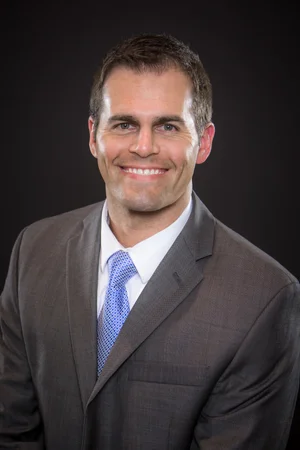
I’m Kevin Sidebottom—keynote speaker, sales trainer, and author—and I help organizations unlock the power of influence to achieve breakthrough results.
In this blog, I reveal why influence is the ultimate currency in business and leadership—and how you can use it to:✅ Motivate customers to stay loyal and buy again✅ Build trust and engagement with your team✅ Transform your leadership approach to inspire stronger performance
With decades of experience studying why people buy and how leaders earn loyalty, I equip sales professionals and executives to deliver lasting value, strengthen customer relationships, and drive higher revenue.
👉 Featured Resources to Grow Your Influence:
· Email: kevin@kevinsidebottom.com
· The Sales Process Uncovered Membership
· The Sales Process Uncovered (Book on Amazon)
If you’re serious about elevating your sales process, leadership impact, and team performance, this blog will show you the path.