
Strategic Account Planning for Sales Leaders
Many sales professionals love the thrill of the chase. A lead comes in, a customer calls, or someone expresses interest, and they're off to the next opportunity. While that excitement is part of what makes great salespeople successful, it can also become one of their biggest weaknesses. Too often, salespeople operate by instinct, pursuing whoever they believe is most likely to buy instead of taking the time to develop a strategic plan. The result is busy calendars, long hours, and inconsistent results.
The most successful sales organizations understand that growth rarely happens by accident. It happens through intentional planning. Strategic account planning allows sales leaders to direct time, energy, and resources toward the customers who have the greatest potential to create long-term value. Rather than reacting to opportunities as they appear, sales teams proactively determine where they should invest their effort before the week, month, or quarter even begins.
One practical way to maximize selling time is by planning customer visits geographically. Instead of driving across an entire territory for one meeting, organize appointments using what I call a "leaf pattern." Begin with a central location and work outward in logical clusters, much like the veins of a leaf. This approach reduces windshield time, lowers travel costs, and creates more face-to-face interactions with customers. Every hour saved driving is another hour available to strengthen relationships, uncover opportunities, and serve customers more effectively.
Of course, efficiency only matters if you're spending time with the right customers. That is why every sales organization should develop a process for identifying and prioritizing strategic accounts. Not every customer represents the same opportunity, and treating them all equally often results in misplaced effort. A structured scoring model helps sales professionals prioritize their time based on opportunity, alignment, and relationship potential rather than assumptions or convenience.
The process begins by defining your Ideal Customer Avatar. What characteristics make someone your perfect customer? Which industries, company sizes, buying behaviors, challenges, and values align best with your products or services? Understanding your ideal customer creates the foundation for every strategic decision that follows. Without that clarity, sales teams often chase opportunities that consume significant time but produce limited long-term value.
Once your ideal customer is clearly defined, sales leaders can implement an Account Influence Score (AIS) to evaluate and rank their customer relationships. The purpose of AIS is to move beyond simply asking, "How much revenue does this customer generate today?" and instead ask, "How much potential influence and long-term value does this customer represent?"
The Account Influence Score evaluates customers across multiple categories that reveal the true opportunity within the relationship. Categories may include:
Revenue Potential (25%) – What is the current and future financial opportunity within the account?
Growth Opportunity (20%) – Does the customer have additional needs, locations, departments, or opportunities where your organization can create more value?
Partnership Mindset (15%) – Does the customer view your organization as a trusted partner, or simply another vendor?
Strategic Market Influence (15%) – Does this customer have influence within their industry or network that could create additional opportunities?
Referral Potential (10%) – Is this a customer who is likely to advocate for your organization and introduce you to others?
Ease of Doing Business (10%) – Does the relationship allow your team to serve effectively and profitably?
Profitability (5%) – Does the account generate healthy margins and align with your business objectives?
By scoring accounts through this lens, sales leaders can clearly separate customers who represent high-value growth opportunities from customers who simply require ongoing maintenance. Both are important, but they should not receive the same level of attention, planning, and resources.
This distinction is critical because one of the greatest mistakes sales teams make is allowing maintenance customers to consume the same energy as strategic growth customers. Long-standing relationships often feel comfortable, making them easy to visit and simple to manage. Meanwhile, higher-value opportunities requiring deeper planning and intentional relationship building are postponed. Strategic account planning ensures that familiarity does not replace priority.
The goal of AIS is not to ignore smaller customers or less strategic accounts. Every customer matters. The goal is to align effort with opportunity. A smaller customer with strong partnership potential, growth opportunities, and influence in the marketplace may deserve significantly more attention than a larger customer with limited upside. Strategic sales leaders understand that value is not always measured by today's revenue, it is measured by tomorrow's potential.
The best sales organizations regularly review account scores with their teams, adjusting priorities as markets evolve and customer needs change. Strategic planning is not a one-time exercise completed at the beginning of the year. It is an ongoing discipline that helps salespeople continually focus on the customers where they can create the greatest impact.
Ultimately, strategic account planning is about replacing guesswork with purpose. It allows sales professionals to spend less time reacting and more time influencing. They travel more efficiently, invest more deeply in the right relationships, and allocate their efforts where they produce the greatest return.
Because great sales leaders don't simply ask, "Who can we sell to next?" They ask, "Where can we invest our time to create the greatest value?"
When that question drives the sales strategy, growth becomes more predictable, relationships become stronger, and every customer interaction becomes more valuable.
Master the Art of Influence: Build Trust, Drive Sales, and Lead Effectively
Are you ready to become the magnetic force that attracts top performers and your best customers?
I’m Kevin Sidebottom—keynote speaker, sales trainer, and author—and I help organizations unlock the power of influence to achieve breakthrough results.
In this blog, I reveal why influence is the ultimate currency in business and leadership—and how you can use it to:✅ Motivate customers to stay loyal and buy again✅ Build trust and engagement with your team✅ Transform your leadership approach to inspire stronger performance
With decades of experience studying why people buy and how leaders earn loyalty, I equip sales professionals and executives to deliver lasting value, strengthen customer relationships, and drive higher revenue.
👉 Featured Resources to Grow Your Influence:
· Email: kevin@kevinsidebottom.com
· The Sales Process Uncovered Membership
· The Sales Process Uncovered (Book on Amazon)
If you’re serious about elevating your sales process, leadership impact, and team performance, this blog will show you the path.

Aligning Marketing & Sales for Maximum Influence
One of the biggest barriers to business growth is the disconnect between marketing and sales. Marketing often measures success by clicks, impressions, website traffic, and lead generation, while sales focuses on conversations, opportunities, and revenue growth. Both teams are working toward the same goal of growing the organization revenue, but too often they operate independently instead of collaboratively. The organizations that consistently outperform their competitors understand that marketing and sales are not separate functions. They are two halves of the same influence strategy.
Think of marketing as the pull of the sales process. While sales professionals actively engage prospects through conversations and relationships, marketing should be attracting the right people long before the first sales call ever takes place. Great marketing creates curiosity, builds credibility, and positions your organization as the obvious solution before a salesperson enters the picture. When marketing does its job well, prospects begin the sales conversation already believing your company understands their challenges.
That kind of marketing does not happen by accident. It happens when marketing and sales work together to clearly define who they are trying to reach. One of the most valuable exercises an organization can undertake is creating a detailed customer avatar. This goes far beyond demographics or company size. It requires understanding the customer's world. What challenges keep them awake at night? What obstacles prevent them from reaching their goals? What frustrations are they experiencing every day? Most importantly, what does becoming a hero of their story look like?
The more clearly organizations understand their ideal customer, the more effectively they can communicate value. Customers are not searching for products or services simply because they exist. They are searching for solutions to situations that are costing them time, money, growth, or peace of mind. When marketing speaks directly to those situations, issues, and ramifications, prospects begin to recognize themselves in the message. Instead of thinking, "That's an interesting company," they begin thinking, "They're describing exactly what I'm experiencing."
Many organizations make the mistake of trying to appeal to everyone. They believe casting the widest possible net will produce the greatest number of opportunities. In reality, the opposite is often true. The more narrowly you define your niche, the more powerfully your message resonates with the people you are best equipped to serve. A message designed for everyone usually connects deeply with no one. But a message crafted specifically for a well-defined audience creates immediate relevance and stronger engagement.
Once marketing attracts the right audience, sales can build upon that foundation by continuing the same customer-centered conversation. Instead of starting from scratch, sales professionals can deepen the relationship, uncover additional needs, and demonstrate how the organization's solutions produce meaningful outcomes. The transition between marketing and sales becomes seamless because both teams are speaking the same language and solving the same problems.
When organizations consistently serve the right customers and deliver exceptional results, something remarkable begins to happen. Those customers become advocates. They tell colleagues, friends, and industry peers about their experience. Their recommendations create credibility that no advertising campaign can fully replicate. As more ideal customers experience success, momentum begins to build. Your message spreads naturally throughout the marketplace because the people you were created to serve become your most effective marketers.
This is where influence begins to compound. Marketing attracts the right audience. Sales builds trust and delivers results. Customers share their success with others. New prospects enter the sales process with confidence already established because someone they trust has already validated your organization. Instead of constantly chasing attention, your business begins attracting it.
The organizations that achieve sustainable growth recognize that marketing and sales are not competing departments, they are collaborative partners in creating influence. When both teams work together to define the ideal customer, communicate the right message, and deliver exceptional experiences, they stop selling to the masses and start connecting with the people who need them most.
Because maximum influence doesn't happen when marketing and sales work harder. It happens when they work together.
Master the Art of Influence: Build Trust, Drive Sales, and Lead Effectively
Are you ready to become the magnetic force that attracts top performers and your best customers?
I’m Kevin Sidebottom—keynote speaker, sales trainer, and author—and I help organizations unlock the power of influence to achieve breakthrough results.
In this blog, I reveal why influence is the ultimate currency in business and leadership—and how you can use it to:✅ Motivate customers to stay loyal and buy again✅ Build trust and engagement with your team✅ Transform your leadership approach to inspire stronger performance
With decades of experience studying why people buy and how leaders earn loyalty, I equip sales professionals and executives to deliver lasting value, strengthen customer relationships, and drive higher revenue.
👉 Featured Resources to Grow Your Influence:
· Email: kevin@kevinsidebottom.com
· The Sales Process Uncovered Membership
· The Sales Process Uncovered (Book on Amazon)
If you’re serious about elevating your sales process, leadership impact, and team performance, this blog will show you the path.

Data-Driven Leadership
Let's Use Data and Behaviors to Drive Success
In today's business environment, leaders have access to more data than ever before. Dashboards measure activity, CRMs track every interaction, and reports provide insights into everything from sales performance to customer engagement. While data is incredibly valuable, many organizations make the mistake of believing that more data automatically leads to better leadership. Unfortunately, tt doesn't… Great leaders know that success comes from balancing data with human behavior. Numbers tell you what happened. People help you understand it happened why.
One of the biggest opportunities for leaders is to measure the behaviors that drive success rather than simply measuring the outcomes. Too often organizations focus on activity metrics like the number of calls made, emails sent, or meetings scheduled. While those metrics have value, they rarely tell the whole story. A salesperson making one hundred poor-quality calls may produce fewer results than someone making twenty meaningful conversations. Instead of asking, "How many calls did you make?" leaders should also ask, "What meaningful conversations did you have that drove major growth with your customers?" The goal is not activity for activity's sake. The goal is identifying the behaviors that consistently produce positive outcomes. Sales is not a numbers game anymore.
This is where studying top performers becomes invaluable. Every organization has individuals who consistently outperform their peers. Rather than simply celebrating their results, leaders should become students of their behaviors. What questions are they asking customers? How do they prepare for meetings? How do they build trust? How do they handle objections? What habits separate them from everyone else? The real key performance indicators are often found beneath the surface. By identifying and teaching the behaviors that create exceptional performance, leaders build a system that others can learn and replicate.
High-performing organizations also understand that knowledge should never remain trapped within one individual or one department. Too many companies unintentionally create silos where the sales team, customer service, marketing, and operations all work independently instead of learning from one another. Great cultures are built when strategies are shared. Encourage your top performers to teach others. Invite them to lead workshops, share best practices, and mentor newer employees. Interestingly, teaching often makes top performers even better because explaining their process forces them to think more intentionally about what makes them successful. As they help others improve, they continue raising their own performance as well.
Technology plays an important role in this process, particularly through customer relationship management (CRM) systems. A CRM should be much more than a place to store customer information or produce reports. It should become a tool that helps leaders coach more effectively and helps sales professionals have better conversations. Instead of using a CRM simply to monitor numbers, use it to identify trends, uncover opportunities, and ask better coaching questions. The objective is not collecting more data. The objective is creating more meaningful customer interactions.
Another common leadership mistake is setting unrealistic performance expectations by comparing everyone to the organization's top producer. A veteran salesperson with ten years of experience should not be measured exactly the same way as someone in their first six months. While the destination may be the same, the path to getting there looks different for every employee. New team members need goals that encourage progress rather than create discouragement. Effective leaders recognize where people are today and establish milestones that build confidence while steadily increasing performance over time.
That is why behavior goals are often more powerful than outcome goals. Instead of simply telling someone to make fifty calls a day, establish goals around the quality of preparation, asking thoughtful discovery questions, following up consistently, or strengthening customer relationships. These are behaviors employees can control every day. As those behaviors improve, results naturally follow. Outcomes are often a lagging indicator. Behaviors are the leading indicator that predicts future success.
The best leaders understand that data is meant to guide conversations, not replace them. Reports can identify trends, but they cannot coach an employee. Dashboards can measure performance, but they cannot build trust. Numbers provide direction, but leadership provides development. When organizations combine meaningful data with intentional coaching, collaboration, and a focus on behaviors, they create cultures where people continuously improve instead of simply trying to hit another metric.
Data is a powerful leadership tool, but only when it helps people grow. The organizations that thrive are not the ones with the biggest dashboards. They are the ones that use data to inspire better conversations, stronger relationships, and behaviors that lead to lasting success.
Master the Art of Influence: Build Trust, Drive Sales, and Lead Effectively
Are you ready to become the magnetic force that attracts top performers and your best customers?
I’m Kevin Sidebottom—keynote speaker, sales trainer, and author—and I help organizations unlock the power of influence to achieve breakthrough results.
In this blog, I reveal why influence is the ultimate currency in business and leadership—and how you can use it to:✅ Motivate customers to stay loyal and buy again✅ Build trust and engagement with your team✅ Transform your leadership approach to inspire stronger performance
With decades of experience studying why people buy and how leaders earn loyalty, I equip sales professionals and executives to deliver lasting value, strengthen customer relationships, and drive higher revenue.
👉 Featured Resources to Grow Your Influence:
· Email: kevin@kevinsidebottom.com
· The Sales Process Uncovered Membership
· The Sales Process Uncovered (Book on Amazon)
If you’re serious about elevating your sales process, leadership impact, and team performance, this blog will show you the path.

Pipeline Forecasting Made Simple for Leaders
Forecasting is one of the most important responsibilities leaders face, yet it is also one of the most difficult. Just ask a weather forecaster. Despite having sophisticated technology, years of historical data, and advanced models, weather forecasts are still not perfect. Business forecasting faces many of the same challenges. Markets shift, customer priorities change, economic conditions fluctuate, and unexpected events can alter buying behavior almost overnight. The goal of forecasting is not to predict the future with perfect accuracy. The goal is to gather the best information possible so leaders can make smarter decisions about where the business is headed.
One of the most overlooked sources of forecasting intelligence is the customer. Organizations that maintain strong customer relationships gain access to valuable information long before it appears in reports or industry data. Customers often see changes developing within their businesses before suppliers do. They know when projects are being delayed, budgets are tightening, hiring is accelerating, or new initiatives are being planned. Leaders who regularly engage customers in meaningful conversations can uncover trends months before they show up in sales numbers. The stronger the relationship, the more likely customers are to share what they are seeing and experiencing in the marketplace.
Another valuable forecasting strategy is identifying the "mechanics" of the business, the people who are closest to the day-to-day realities of customer behavior. In many industries, technicians, installers, mechanics, service representatives, and frontline employees often know what customers are planning to purchase before management does. They hear concerns, answer questions, and observe buying patterns firsthand. These employees frequently possess insights that never make it into a CRM system or forecast report. Leaders who take time to listen to the people closest to customers often discover opportunities and challenges earlier than competitors.
Leaders should also pay attention to indicators that may seem unrelated to sales at first glance. Warranty claims, service requests, maintenance schedules, replacement cycles, and product performance data can reveal emerging trends in customer demand. Rising warranty activity may signal future replacement opportunities. Increased service requests could indicate a growing need for upgrades or additional support. Looking beyond traditional sales metrics allows leaders to identify patterns that help improve forecasting accuracy and uncover revenue opportunities that others may miss.
One of the biggest forecasting mistakes organizations make is relying too heavily on historical data alone. While last year's numbers provide useful context, they should never become the primary forecasting strategy. Markets evolve too quickly for leaders to assume that next year will look like last year. Historical trends are valuable, but they must be balanced with current customer conversations, market conditions, competitive activity, and emerging industry trends. The future is rarely a simple extension of the past.
Perhaps the most critical ingredient in effective forecasting is communication. Forecasting cannot live solely within the executive team or finance department. Sales teams are hearing customer concerns. Customer service teams are identifying emerging issues. Operations teams are seeing shifts in demand. Customers themselves are sharing information about future plans and priorities. When organizations create strong communication channels across departments, insights begin to connect and patterns become easier to identify. The result is a more complete and accurate picture of where the business is headed.
The leaders who forecast most effectively are not necessarily the ones with the most sophisticated spreadsheets. They are the ones who stay connected to their teams, their customers, and the market itself. They gather information from multiple sources, remain curious about changing conditions, and recognize that forecasting is an ongoing conversation rather than a once-a-quarter exercise.
Like weather forecasting, business forecasting will never be perfect. But leaders who consistently listen, communicate, and seek information from the people closest to the action dramatically improve their ability to see what is coming next. And when leaders can see around corners, they make better decisions, create more stability, and position their organizations for sustainable growth.
Master the Art of Influence: Build Trust, Drive Sales, and Lead Effectively
Are you ready to become the magnetic force that attracts top performers and your best customers?
I’m Kevin Sidebottom—keynote speaker, sales trainer, and author—and I help organizations unlock the power of influence to achieve breakthrough results.
In this blog, I reveal why influence is the ultimate currency in business and leadership—and how you can use it to:✅ Motivate customers to stay loyal and buy again✅ Build trust and engagement with your team✅ Transform your leadership approach to inspire stronger performance
With decades of experience studying why people buy and how leaders earn loyalty, I equip sales professionals and executives to deliver lasting value, strengthen customer relationships, and drive higher revenue.
👉 Featured Resources to Grow Your Influence:
· Email: kevin@kevinsidebottom.com
· The Sales Process Uncovered Membership
· The Sales Process Uncovered (Book on Amazon)
If you’re serious about elevating your sales process, leadership impact, and team performance, this blog will show you the path.

Building a Repeatable Sales Engine
Scaling Growth Without Constantly Chasing New Customers
Many organizations believe scaling sales means finding more prospects, generating more leads, and filling the top of the funnel with as many opportunities as possible. While new customers are certainly important, sustainable growth is rarely achieved by simply doing more of the same. The organizations that scale most effectively build a repeatable sales engine, one that consistently creates exceptional customer experiences, maximizes customer value, and turns satisfied customers into advocates who help fuel future growth.
The foundation of every repeatable sales engine is the right sales process. Too many sales teams rely on individual talent rather than a proven system. When success depends on a few top performers, growth becomes difficult to replicate. A well-designed sales process creates consistency, allowing every salesperson to understand how to uncover customer needs, identify challenges, communicate value, and guide prospects toward the right decision that they need. More importantly, a strong process focuses on the customer's buying journey rather than the seller's agenda. When organizations build a repeatable process that can be taught, measured, and improved, sales become more predictable and scalable.
However, a sales engine extends far beyond the front line sales team. One of the most overlooked growth opportunities exists within customer service and support functions. Many organizations view customer service as a cost center, when in reality it can become one of the most powerful profit centers in the business. The experience customers have after the sale often determines whether they buy again, expand their relationship, or recommend the company to others. Customer service representatives interact with customers regularly, giving them unique visibility into changing needs, emerging challenges, and opportunities for additional value. When properly trained, support teams can strengthen customer loyalty, identify upsell opportunities, and reinforce the trust that drives long-term growth.
Another critical shift for organizations looking to scale is moving away from the mindset of constantly pursuing more customers and instead focusing on creating greater value with existing customers. Every customer comes with an acquisition cost. Marketing expenses, sales efforts, onboarding, implementation, support, and ongoing relationship management all require significant investments of time and resources. Because acquiring customers is expensive, the most profitable organizations often focus on serving current customers exceptionally well and finding additional ways to help them achieve their goals. Expanding relationships with existing customers is frequently more efficient and profitable than continually searching for new ones. The deeper the relationship becomes, the more value both the customer and the organization receive.
This approach requires patience. Building trust, delivering results, and earning the right to expand relationships does not happen overnight. However, organizations that commit to this strategy often discover that their customer base becomes one of their greatest competitive advantages. Customers who consistently experience value become more loyal, purchase additional products and services, and remain with the organization longer. Over time, the lifetime value of each customer increases while acquisition costs become a smaller percentage of overall revenue.
Perhaps the greatest benefit of a repeatable sales engine is that it creates momentum through referrals. Customers who trust your organization and achieve meaningful results naturally share those experiences with colleagues, friends, and peers. They become advocates who validate your credibility before you ever enter a sales conversation. This transferred trust dramatically shortens sales cycles and reduces resistance because prospects arrive with confidence already established. In many cases, the most qualified opportunities come not from marketing campaigns or cold outreach but from customers who are eager to tell others about the positive impact your organization has made.
The organizations that scale most effectively understand that growth is not simply about generating more leads. It is about building a system that consistently creates value, develops trust, strengthens relationships, and turns customers into advocates. The right sales process, a well-trained support team, a commitment to maximizing customer value, and a focus on earning referrals create a sales engine that becomes stronger over time. Instead of constantly chasing growth, these organizations build a business where growth begins chasing them.
Master the Art of Influence: Build Trust, Drive Sales, and Lead Effectively
Are you ready to become the magnetic force that attracts top performers and your best customers?
I’m Kevin Sidebottom—keynote speaker, sales trainer, and author—and I help organizations unlock the power of influence to achieve breakthrough results.
In this blog, I reveal why influence is the ultimate currency in business and leadership—and how you can use it to:✅ Motivate customers to stay loyal and buy again✅ Build trust and engagement with your team✅ Transform your leadership approach to inspire stronger performance
With decades of experience studying why people buy and how leaders earn loyalty, I equip sales professionals and executives to deliver lasting value, strengthen customer relationships, and drive higher revenue.
👉 Featured Resources to Grow Your Influence:
· Email: kevin@kevinsidebottom.com
· The Sales Process Uncovered Membership
· The Sales Process Uncovered (Book on Amazon)
If you’re serious about elevating your sales process, leadership impact, and team performance, this blog will show you the path.

The Customer Hero Method
Transforming Sales From Transactional to Transformational
Most sales conversations still sound the same: here’s what we offer, here’s what it costs, here’s why we’re better. It’s a product-first approach that treats selling like a transaction to be completed rather than a transformation to be created. The problem is, customers rarely buy because they are fascinated by what a company sells. They buy because they are trying to solve something that is disrupting their world, something that has consequences if it is not addressed.
The shift begins when organizations stop focusing on selling products and services and start focusing on outcomes tied directly to the customer’s situation, issues, and ramifications. Customers don’t wake up wanting software, consulting, equipment, or training. They wake up dealing with inefficiency, missed revenue, operational stress, declining performance, or uncertainty about what comes next.
When sales conversations are framed around those realities, the issues they are facing and the ripple effects those issues are creating everything changes. The product becomes secondary. The outcome becomes the point. Instead of pitching features, you begin clarifying consequences. Instead of listing capabilities, you start connecting dots between their current problem and their future success. That is where relevance lives, and relevance is what earns attention.
Once that shift happens, something deeper emerges… Customers don’t just want a solution, they want to be the hero of their own story. No one wants to feel like they were “sold to.” They want to feel like they made a smart, confident decision that improved their situation and elevated their results. In that story, not you nor your product or service is not the hero. The customer is.
Your role is the guide, the one who helps them see clearly, make sense of complexity, and move forward with confidence. When customers feel like they are in control of the decision and positioned as the central character overcoming their challenge, they engage differently. They listen more closely. They decide faster. And they trust deeper because they are not being pushed into a purchase, they are being supported in a win.
And when that experience is done well, something powerful happens beyond the sale itself. Customers begin referring you not because you asked for it, but because they now see you as part of their success story. They don’t describe you as a vendor or provider, they describe you as the reason something improved, stabilized, or accelerated in their world. That emotional connection turns into advocacy. It turns into introductions. It turns into opportunities that were never in your pipeline, but suddenly appear because someone else told the story on your behalf. This is where transactional selling ends and transformational growth begins. Not because you sold harder, but because you helped the customer become the hero and people always share their wins!
Master the Art of Influence: Build Trust, Drive Sales, and Lead Effectively
Are you ready to become the magnetic force that attracts top performers and your best customers?
I’m Kevin Sidebottom—keynote speaker, sales trainer, and author—and I help organizations unlock the power of influence to achieve breakthrough results.
In this blog, I reveal why influence is the ultimate currency in business and leadership—and how you can use it to:✅ Motivate customers to stay loyal and buy again✅ Build trust and engagement with your team✅ Transform your leadership approach to inspire stronger performance
With decades of experience studying why people buy and how leaders earn loyalty, I equip sales professionals and executives to deliver lasting value, strengthen customer relationships, and drive higher revenue.
👉 Featured Resources to Grow Your Influence:
· Email: kevin@kevinsidebottom.com
· The Sales Process Uncovered Membership
· The Sales Process Uncovered (Book on Amazon)
If you’re serious about elevating your sales process, leadership impact, and team performance, this blog will show you the path.

The Influence Engine
How to Build Trust That Sells for You
Most organizations spend enormous amounts of time, money, and energy chasing new customers. They invest heavily in advertising, cold outreach, lead generation campaigns, networking events, CRM systems, and endless follow-up sequences, all in the hope of filling the sales pipeline.
And while new business is important, many companies overlook one of the most profitable growth strategies available to them: building enough influence with current customers that those customers begin selling for them.
Because every new customer comes with a cost. There is the cost of marketing and prospecting, but also the cost of onboarding, preparing proposals, processing paperwork, and managing long sales cycles that often stretch for weeks or months. Add in cold calling, unanswered emails, gatekeepers, and the constant “circle back next quarter” conversations, and the true cost of acquiring new business becomes far greater than most leaders account for.
Many organizations track marketing spend closely. Far fewer calculate the hidden operational and emotional cost of constantly starting from zero.
That is where influence changes the game.
Cold Leads Create Long Sales Cycles
Cold selling is difficult because trust does not yet exist. When organizations rely heavily on cold outreach, every interaction begins with skepticism. Prospects are cautious. They are uncertain. They are evaluating risk long before they are evaluating value.
That means sales teams spend significant time simply trying to earn credibility before a meaningful conversation can even begin. Getting someone to answer the phone, securing a meeting, explaining who you are, and building confidence in your company all happen before the real sales process even starts.
From there, the work continues overcoming objections, following up repeatedly, and navigating internal approvals. The result is a long, friction-heavy sales cycle where trust must be built from scratch every single time.
And during that time, organizations continue investing in labor, systems, marketing, travel, and operational support long before revenue is ever realized. Many businesses are unknowingly running on an expensive treadmill, constantly needing more cold leads just to maintain momentum.
Influence Is the Ultimate Sales Accelerator
Now compare that with a warm referral from a trusted customer. Everything changes.
The conversation starts in a completely different place because credibility has already been transferred. Instead of asking, “Can I trust this company?” the prospect begins by asking, “How can they help me?”
That single shift shortens the entire sales cycle. Warm leads require less convincing, fewer meetings, less resistance, and significantly faster decision-making. There is less education required, less follow-up, and far less friction during onboarding.
Warm customers move through systems faster because confidence already exists. Onboarding becomes smoother. Expectations are clearer. Communication improves. Resistance decreases. Customers arrive with a stronger understanding of your value because someone they trust has already prepared them for the experience.
Why? Because trust has already entered the process before the sales conversation even begins.
The reality is simple: people do business with people they know, like, and trust. When existing customers advocate for your business, they remove uncertainty in ways no marketing campaign ever fully can.
The Companies That Win Build Trust First
The future belongs to organizations that understand trust is no longer a soft skill, it is a business strategy.
Products can be copied. Pricing can be matched. Marketing campaigns can be replicated. But trust is far harder to duplicate.
Organizations that prioritize relationships, customer experience, communication, and genuine connection create an advantage competitors struggle to overcome.
Because when customers trust you deeply enough to recommend you confidently, your business stops relying entirely slow growth, but super charged relationships.
And when trust becomes part of your sales engine, growth becomes faster, onboarding becomes smoother, sales cycles become shorter, and profitability becomes stronger.
That is the true power of influence.
Master the Art of Influence: Build Trust, Drive Sales, and Lead Effectively
Are you ready to become the magnetic force that attracts top performers and your best customers?
I’m Kevin Sidebottom—keynote speaker, sales trainer, and author—and I help organizations unlock the power of influence to achieve breakthrough results.
In this blog, I reveal why influence is the ultimate currency in business and leadership—and how you can use it to:✅ Motivate customers to stay loyal and buy again✅ Build trust and engagement with your team✅ Transform your leadership approach to inspire stronger performance
With decades of experience studying why people buy and how leaders earn loyalty, I equip sales professionals and executives to deliver lasting value, strengthen customer relationships, and drive higher revenue.
👉 Featured Resources to Grow Your Influence:
· Email: kevin@kevinsidebottom.com
· The Sales Process Uncovered Membership
· The Sales Process Uncovered (Book on Amazon)
If you’re serious about elevating your sales process, leadership impact, and team performance, this blog will show you the path.
Presentation Skills Every Leader Needs to Influence
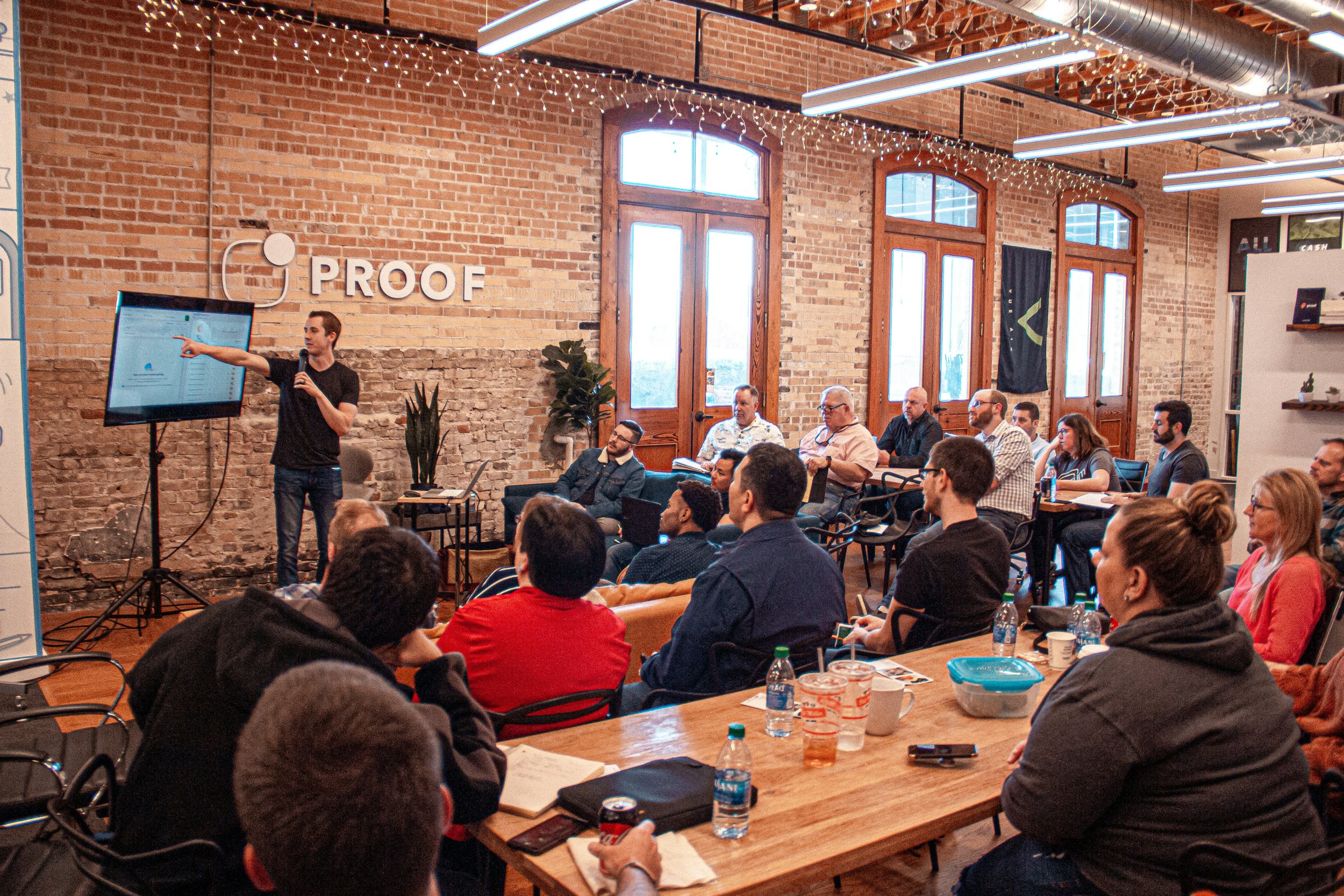
Great leaders are not just responsible for making decisions. They are responsible for communicating those decisions in a way that inspires action, creates clarity, and builds trust. That is why presentation skills are no longer optional for leaders. They are essential.
Every day, leaders are presenting. It may not always happen on a stage with a microphone and spotlight, but presentations happen constantly. Team meetings, client conversations, sales calls, training sessions, boardroom updates, and one-on-one coaching conversations all require the ability to communicate effectively.
The challenge is that many leaders confuse presenting with simply delivering information. But strong presentation skills are not about dumping information on people. They are about helping people connect with the message, understand the value, and remember what matters most.
The leaders who influence people best know how to communicate in a way that feels personal, engaging, and human.
Great Presentation Skills Start with Valuing the Audience
One of the biggest mistakes presenters make is focusing too much on what they want to say instead of what the audience actually needs to hear.
Strong presentation skills begin with understanding the people in front of you. Before building a presentation, effective leaders ask questions like:
What challenges is this audience facing?
What matters most to them?
What problem am I helping solve?
What is the one thing they absolutely need to remember?
When audiences feel like a presentation was built for them instead of delivered at them, engagement immediately increases.
People do not want to feel trapped in a lecture. They want to feel understood. They want to know the speaker values their time and respects their attention.
That is why the best presenters focus less on impressing audiences and more on serving them.
Ironically, the moment a presenter stops trying to sound impressive is often the moment they become far more influential.
Presentation Skills Improve When You Speak One-on-One
Many people become nervous during presentations because they feel like they are “performing” for a crowd. That pressure causes presenters to sound robotic, overly scripted, or unnatural.
One of the most effective presentation skills a leader can develop is learning how to speak to a room the same way they would speak to one person.
Great presenters make large audiences feel small. They create conversations instead of performances.
They use eye contact naturally. Their tone feels conversational. Their examples feel relatable. And instead of sounding rehearsed, they sound authentic.
This approach helps important points land more effectively because people feel personally connected to the message.
Think about the presentations you remember most. Chances are, the speaker made you feel like they were talking directly to you rather than broadcasting generic information to a crowd.
Connection creates engagement. Engagement creates retention. And retention creates influence.
Stop Relying on Excessive Bullet Points
One of the fastest ways to lose an audience is to overload them with slides full of bullet points. The old saying that “bullets kill” is true when giving presenations.
Unfortunately, many presentations turn into reading exercises instead of communication experiences. Audiences are forced to choose between reading crowded slides or listening to the presenter, and most end up doing neither effectively.
Strong presentation skills require simplification.
Slides should support the speaker, not replace the speaker. The best presenters use visuals, short phrases, key ideas, and memorable takeaways rather than overwhelming people with paragraphs of information.
If every slide looks like a legal contract, your audience will mentally check out before slide three.
A good presentation is not measured by how much information you can fit onto a screen. It is measured by how clearly people understand and remember the message afterward.
Sometimes less information creates far more impact.
Humor Makes Presentations More Engaging
One of the most overlooked presentation skills is the ability to create comfort and energy in a room. Humor is one of the best ways to accomplish that.
This does not mean leaders need to become comedians or force awkward jokes into presentations. In fact, forced humor usually creates more tension than connection.
The best humor in presentations comes naturally through relatable observations, personal experiences, or light self-awareness.
A simple funny moment can instantly relax an audience and make a presenter feel more approachable. It also helps break up tension and maintain attention.
Because the reality is, nobody enjoys listening to a presentation that sounds like it was generated by an instruction manual.
People connect with speakers who feel human.
Even small moments of humor can make presentations more memorable because audiences associate positive emotions with the speaker and the message.
Presentation Skills Are Really About Connection
At the core of every strong presentation skill is one thing: connection.
The best presenters know how to make audiences feel valued, engaged, and involved. They simplify instead of overwhelm. They communicate naturally instead of sounding scripted. They use humor to create warmth and connection.
Most importantly, they understand that presentations are not about showing how much the speaker knows. They are about helping the audience walk away with clarity, confidence, and connection.
Because people rarely remember every slide from a presentation.
But they always remember how the presenter made them feel.
Master the Art of Influence: Build Trust, Drive Sales, and Lead Effectively
Are you ready to become the magnetic force that attracts top performers and your best customers?
I’m Kevin Sidebottom—keynote speaker, sales trainer, and author—and I help organizations unlock the power of influence to achieve breakthrough results.
In this blog, I reveal why influence is the ultimate currency in business and leadership—and how you can use it to:✅ Motivate customers to stay loyal and buy again✅ Build trust and engagement with your team✅ Transform your leadership approach to inspire stronger performance
With decades of experience studying why people buy and how leaders earn loyalty, I equip sales professionals and executives to deliver lasting value, strengthen customer relationships, and drive higher revenue.
👉 Featured Resources to Grow Your Influence:
· Email: kevin@kevinsidebottom.com
· The Sales Process Uncovered Membership
· The Sales Process Uncovered (Book on Amazon)
If you’re serious about elevating your sales process, leadership impact, and team performance, this blog will show you the path.

Does Body Language Increase Influence?
Ever left a conversation and something just did not seem right? You couldn’t quite put your finger on it, but in your gut you knew something was off?
Sales professionals spend a lot of time thinking about what to say, when to say it, and how to amaze their customers with the right presentations. The best ones also think about this one other key ingredient. They focus on how they show up.
Body language plays a significant role in influence, not because it replaces strong messaging, but because it reinforces it. When verbal and nonverbal communication align, trust builds faster. When these things don’t line up, people notice. Buyers may not always be able to explain why something feels off, but they can sense it.
Below are a few ways to make sure you are fine tuning your approach when meeting with others.
One of the most overlooked elements of influence is pace of speech. Speak too quickly and you can come across as anxious or overly eager. Speak too slowly and you risk losing energy and engagement. Effective communicators match the tempo of the conversation. They know when to slow down to emphasize a key point and when to pick up the pace to maintain momentum. Adjusting your pace shows awareness, and awareness builds connection. I learned this by getting thrown out of a customer’s business because I spoke too fast. Yes that happened!
Body position is another critical factor. How you sit, stand, and orient yourself in a conversation communicates just as much as your words. Open posture, shoulders relaxed, facing the other person signals confidence and approachability. Closed posture, arms crossed, turned away, distracted can create distance, even if your message is strong. People are more likely to trust and engage with someone who appears present and attentive.
Then there’s mirroring, one of the most powerful (and often misunderstood) tools for building rapport. Mirroring is the subtle practice of aligning your tone, pace, and physical positioning with the person you’re speaking with. It’s not about mimicking in an obvious or forced way, it’s about creating a natural sense of familiarity. When done well, it helps the other person feel understood and comfortable, which lowers resistance in the conversation.
The reason mirroring works is simple: people trust what feels familiar. When someone communicates in a way that reflects their own style, it creates a sense of alignment. That alignment makes conversations smoother and decisions easier on the other person building trust which makes influence.
But here’s the key, body language is a multiplier, not a shortcut.
You can’t rely on posture or pacing to replace substance. If your message lacks value, no amount of mirroring will fix it. But when your message is strong and your body language supports it, your influence increases significantly.
Sales leaders and professionals who pay attention to these details gain an edge over the competition. They listen not just to words, but to tone, energy, and engagement. They adjust in real-time. They become easier to talk to, easier to trust, and ultimately, easier to do business with.
Influence isn’t just about what you say. It’s about how it’s experienced.
And when your body language reinforces your intent, your message doesn’t just get heard it gets believed by others.
Have a great week!
Master the Art of Influence: Build Trust, Drive Sales, and Lead Effectively
Are you ready to become the magnetic force that attracts top performers and your best customers?
I’m Kevin Sidebottom—keynote speaker, sales trainer, and author—and I help organizations unlock the power of influence to achieve breakthrough results.
In this blog, I reveal why influence is the ultimate currency in business and leadership—and how you can use it to:✅ Motivate customers to stay loyal and buy again✅ Build trust and engagement with your team✅ Transform your leadership approach to inspire stronger performance
With decades of experience studying why people buy and how leaders earn loyalty, I equip sales professionals and executives to deliver lasting value, strengthen customer relationships, and drive higher revenue.
👉 Featured Resources to Grow Your Influence:
· Email: kevin@kevinsidebottom.com
· The Sales Process Uncovered Membership
· The Sales Process Uncovered (Book on Amazon)
If you’re serious about elevating your sales process, leadership impact, and team performance, this blog will show you the path.

Overcoming Rejection
Resilience Tips for Sales Leaders
Ever get so close to winning a multi-million dollar business opportunity, felt like you were in the driver’s seat for the award and then...poof…gone. Me too!
Rejection is part of sales. Not occasionally, consistently. Deals fall through, prospects go silent, and opportunities you were confident in don’t close. The difference between average sales leaders and high-performing ones isn’t avoiding rejection, it’s how quickly they recover from it.
Anyone who tells you they never lose is a liar. There I’ve said it. I know a great deal of success sales leaders and talk to them regularly. They all lose more than they win. Let that sink in for a second. But here is the different.
The best sales leaders get back up.
It’s easy to take rejection personally. A lost deal can feel like a reflection of effort, ability, or even value. But strong sales leaders separate the outcome from their identity. They don’t ignore disappointment, but they don’t live in it either. They process it, learn from it, and move forward. Because in sales, momentum matters. The longer you sit in frustration, the harder it is to regain progress.
Wallowing is where performance starts to decline. When sales leaders dwell on losses, it shows up in their tone, their energy, and their future decision-making. Teams pick up on that quickly. Confidence drops, hesitation increases, and suddenly one lost deal turns into a pattern. Resilient sales leaders break that cycle by choosing action over emotion. They get back into conversations, re-engage their pipeline, and model forward movement for their team.
But resilience isn’t just about moving on, it’s about learning / refining.
Every lost deal carries insight. The question is whether you’re willing to find it. Strong leaders consistently ask, “What can be learned here?” Was the problem clearly defined? Did the customer see enough value? Were all decision-makers engaged? Was the timing right? These questions turn rejection into feedback.
The key is applying what you learn.
Too many sales teams review losses but fail to change behavior. Real growth happens when insights translate into action. Maybe it means improving discovery questions, tightening follow-up, or qualifying opportunities more effectively. When leaders take what’s learned and apply it quickly, each rejection becomes a stepping stone instead of a setback.
Resilient leaders also help their teams navigate rejection the same way. They don’t allow their people to spiral after a loss, but they also don’t dismiss it. They coach through it. They ask better questions. They help reps see what can be improved and where they performed well. Over time, this builds confidence and consistency across the team.
Rejection doesn’t disappear in sales, but its impact can be controlled.
Get back up quickly.
Don’t sit in the loss.
Learn from it.
Apply it.
Because the leaders who win aren’t the ones who avoid rejection, they’re the ones who use it to get better, faster.
Master the Art of Influence: Build Trust, Drive Sales, and Lead Effectively
Are you ready to become the magnetic force that attracts top performers and your best customers?
I’m Kevin Sidebottom—keynote speaker, sales trainer, and author—and I help organizations unlock the power of influence to achieve breakthrough results.
In this blog, I reveal why influence is the ultimate currency in business and leadership—and how you can use it to:✅ Motivate customers to stay loyal and buy again✅ Build trust and engagement with your team✅ Transform your leadership approach to inspire stronger performance
With decades of experience studying why people buy and how leaders earn loyalty, I equip sales professionals and executives to deliver lasting value, strengthen customer relationships, and drive higher revenue.
👉 Featured Resources to Grow Your Influence:
· Email: kevin@kevinsidebottom.com
· The Sales Process Uncovered Membership
· The Sales Process Uncovered (Book on Amazon)
If you’re serious about elevating your sales process, leadership impact, and team performance, this blog will show you the path.

Growth vs. Scarcity Mindset
Transform Your Sales Game
Every sales professional operates from one of two places: growth or scarcity. One expands opportunity, while the other limits opportunity. The mindset you choose directly impacts how you sell, how you lead, and ultimately, how you perform.
A scarcity mindset shows up subtly. It sounds like, “I need to win this deal at all costs,” or “There’s not enough business to go around.” It creates pressure in conversations, shortens thinking, and pushes salespeople toward decisions rooted in fear. When scarcity takes over, reps hold tightly to every opportunity, hesitate to collaborate, and often chase deals that aren’t the right fit, because losing feels like falling behind.
The reality is, no individual or organization can handle 100% of the business available in the market. Trying to do so isn’t just unrealistic, it’s counterproductive. The strongest sales professionals understand that success isn’t about capturing everything. It’s about focusing on the right opportunities and creating more value within those opportunities.
That’s where a growth mindset changes the game.
Instead of asking, “How do I win this deal?” growth-minded salespeople ask, “How do we make the pie bigger?” This is where collaboration, creativity, and long-term thinking come into play. Organizations like the National Speakers Association often emphasize this concept of making the pie bigger. There is more opportunity available when professionals focus on expanding value rather than competing over limited slices.
A growth mindset opens the door to better partnerships, stronger relationships, and more strategic thinking. Sales professionals begin to look for ways to create opportunities, not just close them. They become more selective, more confident, and more focused on long-term wins instead of short-term pressure.
Scarcity, on the other hand, keeps people stuck. It creates hesitation, fear of loss, and a tendency to operate defensively. When salespeople believe opportunity is limited, they often underperform, not because they lack skill, but because their mindset restricts how they think and act.
There’s also a powerful lesson in what can be learned from each experience. Growth-minded sales professionals don’t just evaluate wins, they study losses. Instead of seeing a lost deal as failure, they ask, “What can I learn from this?” That question turns every outcome into an opportunity for improvement. Over time, that learning compounds into better conversations, stronger positioning, and more consistent results.
A growth mindset also changes how salespeople show up with customers. Instead of trying to force a fit, they focus on creating the right fit. They’re willing to walk away from opportunities that don’t align, knowing that doing so creates space for better ones. That confidence is felt by the customer and it builds a great level of trust. I have had customers call me up after turning down a deal, offering someone else’s solution asking me to be their guide in other areas. You can guess how that worked out for me on future opportunities.
Transforming your sales game doesn’t require a new script or a new pitch. It requires a shift in how you see opportunity.
You don’t need all the business., you need the right business and the mindset to grow it.
Because when you stop operating from scarcity and start thinking in terms of growth, you don’t just compete better. You create more opportunity, for yourself, your team, and your customers.
Have a great week!
Master the Art of Influence: Build Trust, Drive Sales, and Lead Effectively
Are you ready to become the magnetic force that attracts top performers and your best customers?
I’m Kevin Sidebottom—keynote speaker, sales trainer, and author—and I help organizations unlock the power of influence to achieve breakthrough results.
In this blog, I reveal why influence is the ultimate currency in business and leadership—and how you can use it to:✅ Motivate customers to stay loyal and buy again✅ Build trust and engagement with your team✅ Transform your leadership approach to inspire stronger performance
With decades of experience studying why people buy and how leaders earn loyalty, I equip sales professionals and executives to deliver lasting value, strengthen customer relationships, and drive higher revenue.
👉 Featured Resources to Grow Your Influence:
· Email: kevin@kevinsidebottom.com
· The Sales Process Uncovered Membership
· The Sales Process Uncovered (Book on Amazon)
If you’re serious about elevating your sales process, leadership impact, and team performance, this blog will show you the path.

Storytelling in Sales
Influence Customers Without Selling
The best salespeople don’t sound like salespeople. They don’t rely on pressure, scripts, or perfectly timed closes. Instead, they connect. And one of the most powerful ways to connect is through storytelling.
Storytelling allows sales professionals to influence customers without feeling like they’re being sold. It shifts the conversation from pushing a product / service to sharing experiences. These experiences allow the sales professional to share how they were able to avoid pitfalls for other customers as well as some challenges. When done well, it creates clarity, trust, and momentum in a way that facts alone rarely can.
People love stories because that’s how we’ve always learned. Long before presentations, proposals, and product demos, knowledge was passed down through stories. Stories made information memorable even before words were written down. Stories helped people understand complex ideas and apply them in real life. That hasn’t changed. Today’s buyers may have more data at their fingertips, but they still process and remember information through narrative.
When you present only features and benefits, customers have to do the heavy lifting of figuring out what it means for them. But when you tell a story about a customer who faced a similar challenge, made a decision, and achieved a result, well now you do that work for this customer. You give them a clear picture of what success can look like and how you can be the guide for them they have been looking for.
Stories also work because people can relate to them. Buyers are constantly asking themselves, “Will this work for me?” A well-told story answers that question without forcing it. When a prospect hears about someone in a similar situation navigating the same challenges, they begin to see themselves in that story. The conversation becomes less about whether the product is good and more about whether they want the same outcome.
This is where storytelling moves from being interesting to being influential. Instead of trying to convince someone, you help them connect the dots on their own. And when people arrive at a conclusion themselves, they’re far more committed to owning this solution you are providing.
At its core, effective storytelling in sales taps into something even deeper, people want to be the hero of their own story. They don’t want to feel like they’re being sold to; they want to feel like they’re making a smart decision that moves them forward. They want to solve a problem, achieve a goal, or create a better outcome for themselves and their organization.
Your role in that process is not to be the hero. It’s to be the guide.
The guide understands the challenge, offers a clear path forward, and helps the hero succeed. When sales professionals embrace this mindset, their conversations change. They ask better questions, listen more closely, and share stories that highlight transformation—not just information.
Instead of saying, “Here’s what our product does,” they say, “Let me share how someone in a similar situation approached this and what happened next.”
That shift removes pressure and builds trust. It allows customers to see the journey, not just the destination, or the issue they are facing.
Storytelling in sales isn’t about being dramatic or overly polished. It’s about being relevant, real, and focused on the customer’s success. When you use stories to illustrate challenges, decisions, and outcomes, you make it easier for buyers to understand, relate, and act.
Because in the end, people don’t remember features, benefits, or pitches, they remember how they feel in their story and how they can be the HERO.
Have a great week!
Master the Art of Influence: Build Trust, Drive Sales, and Lead Effectively
Are you ready to become the magnetic force that attracts top performers and your best customers?
I’m Kevin Sidebottom—keynote speaker, sales trainer, and author—and I help organizations unlock the power of influence to achieve breakthrough results.
In this blog, I reveal why influence is the ultimate currency in business and leadership—and how you can use it to:✅ Motivate customers to stay loyal and buy again✅ Build trust and engagement with your team✅ Transform your leadership approach to inspire stronger performance
With decades of experience studying why people buy and how leaders earn loyalty, I equip sales professionals and executives to deliver lasting value, strengthen customer relationships, and drive higher revenue.
👉 Featured Resources to Grow Your Influence:
· Email: kevin@kevinsidebottom.com
· The Sales Process Uncovered Membership
· The Sales Process Uncovered (Book on Amazon)
If you’re serious about elevating your sales process, leadership impact, and team performance, this blog will show you the path.

Stop Selling Products: Help Your Customer Become the Hero
Many sales professionals are taught to focus on their product, its features, benefits, and differentiators. They memorize specifications, compare competitors, and try to convince the buyer their solution is the best option. But the highest-performing salespeople eventually discover a powerful shift: great sales success doesn’t come from making your product the hero. It comes from making your customer the hero.
When a salesperson positions themselves as the guide rather than the star of the conversation, everything changes. Instead of trying to prove how great the product is, the focus moves to helping the customer achieve a better outcome. The conversation becomes less about what you sell and more about what the customer becomes after using it.
This mindset works because it aligns with how people naturally process information and make decisions. Humans think in stories. Buyers aren’t just evaluating a tool, they’re imagining a future where their problems are solved, their goals are achieved, and their reputation improves. In that story, they are the hero, not the vendor. Effective sales professionals position themselves as the guide who helps that hero succeed.
Research strongly supports this idea. Studies on storytelling in marketing show that stories are up to 22 times more memorable than facts alone, which means buyers are far more likely to remember a narrative about success than a list of product specifications.
In fact, 92% of consumers say they prefer messaging that feels like a story rather than a traditional advertisement, and 68% say a brand’s story influences their purchasing decisions.
When sales conversations focus on transformation rather than technical details, buyers connect emotionally with the outcome.
The psychology behind this is powerful. Research shows that about 95% of purchasing decisions are driven by subconscious emotional processes, even though buyers often justify them with logic afterward. When a salesperson helps a customer envision a better future, more revenue, smoother operations, happier employees, or greater personal success, the decision becomes easier.
There’s another reason this mindset works: trust. When a salesperson spends the entire conversation promoting their product, it can feel self-serving. But when the focus shifts to the customer’s journey and success, the salesperson becomes a partner rather than a promoter. Buyers sense the difference.
Companies that align their messaging around customer transformation often see measurable results. Businesses that emphasize story-driven communication can experience higher engagement and conversion rates, sometimes increasing conversions by almost 30% .
The takeaway for sales professionals is clear. Your role is not to be the hero of the sale. Your role is to help the customer become the hero of their own story.
That means asking better questions.
Understanding the real problem.
Helping the buyer see the future they want to create.
Instead of saying, “Here’s what our product does,” the conversation becomes, “Here’s what success could look like for you.”
When salespeople adopt this mindset, something powerful happens. Conversations become more collaborative. Customers feel understood instead of pressured. And the product becomes what it should have been all along, a tool that helps the the customer win.
The best sales professionals don’t sell products. They help customers achieve victories.
Master the Art of Influence: Build Trust, Drive Sales, and Lead Effectively
Are you ready to become the magnetic force that attracts top performers and your best customers?
I’m Kevin Sidebottom—keynote speaker, sales trainer, and author—and I help organizations unlock the power of influence to achieve breakthrough results.
In this blog, I reveal why influence is the ultimate currency in business and leadership—and how you can use it to:✅ Motivate customers to stay loyal and buy again✅ Build trust and engagement with your team✅ Transform your leadership approach to inspire stronger performance
With decades of experience studying why people buy and how leaders earn loyalty, I equip sales professionals and executives to deliver lasting value, strengthen customer relationships, and drive higher revenue.
👉 Featured Resources to Grow Your Influence:
· Email: kevin@kevinsidebottom.com
· The Sales Process Uncovered Membership
· The Sales Process Uncovered (Book on Amazon)
If you’re serious about elevating your sales process, leadership impact, and team performance, this blog will show you the path.
Own the Pipeline: Why Sales Leaders Must Invest in Their Teams
A strong sales pipeline doesn’t build itself. It’s the result of discipline, skill development, and leadership that equips people to take ownership of their results. The most effective sales organizations understand a simple truth: when sales reps treat their pipeline like it’s their own business, performance changes dramatically.
Ownership begins with investment. Too many organizations expect sales teams to perform at a high level without consistently sharpening their skills. Markets change, customer expectations evolve, and competition becomes more sophisticated every year. Annual training isn’t a luxury expense, it’s a requirement for staying competitive.
The data supports this reality. Studies consistently show that organizations investing in ongoing sales training see measurable improvements in win rates, revenue growth, and overall performance. Research from industry groups like the Sales Management Association and CSO Insights has shown that companies with structured, ongoing sales training programs often experience higher quota attainment and stronger revenue growth compared to organizations that treat training as a one-time event. The takeaway is clear: consistent development produces consistent results.
When leaders invest in their teams annually, they’re doing more than teaching techniques. They’re reinforcing the expectation that growth and improvement are part of the culture. Sales professionals who receive regular coaching and training gain confidence, sharpen their process, and stay aligned with evolving customer needs.
Another powerful way leaders strengthen pipeline ownership is by getting out of the office and into the field. Ride-alongs with sales representatives provide firsthand insight into what’s happening in the market. Conversations with customers reveal challenges, objections, and competitive dynamics that reports alone can’t capture. When leaders observe real sales conversations, they gain a clearer understanding of how their strategies are working—or where adjustments may be needed.
Some of the most successful business leaders have long practiced this kind of hands-on involvement. Leaders like Sam Walton, founder of Walmart, were well known for regularly visiting stores and talking directly with employees and customers. Howard Schultz spent significant time in Starbucks locations listening to both staff and guests. Herb Kelleher, the co-founder of Southwest Airlines, made a point of interacting directly with employees and customers to understand the realities of the business. While these leaders weren’t running sales ride-alongs in the traditional sense, their commitment to staying close to the front lines is a powerful example of leadership through presence.
Sales leaders who take time to ride along with their teams send a strong message: the field matters, customers matter, and the realities of the marketplace matter. It also creates opportunities for real-time coaching and shared learning.
Ultimately, though, the greatest shift happens when sales professionals begin to see their pipeline differently. Instead of viewing it as a list of deals assigned by the company, they start thinking of it as their own business. If you owned this pipeline as your company, how would you manage it? Which opportunities deserve more attention? Which prospects require deeper discovery? Which deals should be advanced, and which should be disqualified?
When sales reps adopt an ownership mindset, their behavior changes. They manage time more intentionally. They qualify opportunities more carefully. They follow up more consistently. Decisions become more strategic because the pipeline isn’t just a list, it’s the engine of their success.
Sales leaders play a critical role in creating this mindset. By investing in training, staying connected to the market through ride-alongs, and encouraging reps to think like business owners, leaders equip their teams to perform at a higher level.
Because the best sales organizations don’t just manage pipelines, they develop professionals who know how to build them. And when ownership becomes the norm, results follow.
Master the Art of Influence: Build Trust, Drive Sales, and Lead Effectively
Are you ready to become the magnetic force that attracts top performers and your best customers?
I’m Kevin Sidebottom—keynote speaker, sales trainer, and author—and I help organizations unlock the power of influence to achieve breakthrough results.
In this blog, I reveal why influence is the ultimate currency in business and leadership—and how you can use it to:✅ Motivate customers to stay loyal and buy again✅ Build trust and engagement with your team✅ Transform your leadership approach to inspire stronger performance
With decades of experience studying why people buy and how leaders earn loyalty, I equip sales professionals and executives to deliver lasting value, strengthen customer relationships, and drive higher revenue.
👉 Featured Resources to Grow Your Influence:
· Email: kevin@kevinsidebottom.com
· The Sales Process Uncovered Membership
· The Sales Process Uncovered (Book on Amazon)
If you’re serious about elevating your sales process, leadership impact, and team performance, this blog will show you the path.

Value-Based Selling: Stop Selling Products, Start Selling Results
High-pressure selling may close a deal, but it rarely happens again with the same customer. Today’s buyers are more informed, more skeptical, and far less tolerant of being pushed. Value-based selling shifts the conversation away from urgency and tactics and toward customer outcomes. When sales professionals stop pressuring and start helping customers win, trust replaces resistance, and results follow.
The most effective sellers don’t rely on pressure because they don’t need to. Pressure signals insecurity disguised as authority. Confidence comes from understanding the customer’s world and guiding them toward better decisions. Value-based sellers ask thoughtful questions, slow the conversation down, and give buyers space to think and have a vision of the future with this product / service. When prospects feel respected instead of rushed, they engage more openly and honestly.
This approach requires showing up as a consultant, not a pitch person. Consultants diagnose before they prescribe. They seek to understand challenges, risks, and goals before ever mentioning a solution. This is very difficult for most sales professionals, because they firmly believe in the “it’s a numbers game.” They use high pressure and if it works, great…If it doesn’t, then on to the next customer that has a pulse. By positioning yourself as a trusted advisor, you move from “vendor” to “partner.” Buyers don’t argue with consultants, they collaborate with them.
Selling value also means shifting the focus from features and benefits to results and vision. Features describe what a product does; results describe what a customer has potential to become. Buyers aren’t purchasing tools, they’re investing in outcomes like growth, efficiency, confidence, and peace of mind. When you help prospects clearly see a better future and understand how to get there, the product becomes a means to a better future, not the centerpiece of the conversation.
Value-based selling also reframes how sales professionals think about success. Instead of chasing one-time transactions, the focus shifts to supporting customers long after the initial sale. When you prioritize helping customers win over time, future opportunities follow naturally. Repeat business, referrals, and expanded partnerships are the result of consistent value, not constant pitching. This actually speeds up the sales process on future opportunities making you win more sales with less effort!
Value-based selling isn’t about convincing; it’s about clarity. It’s about helping buyers connect the dots between where they are today and where they want to be tomorrow. When sales professionals stop selling products and start selling results, they don’t just close more deals, they build lasting relationships that fuel consistent growth well into the future.
Master the Art of Influence: Build Trust, Drive Sales, and Lead Effectively
Are you ready to become the magnetic force that attracts top performers and your best customers?
I’m Kevin Sidebottom—keynote speaker, sales trainer, and author—and I help organizations unlock the power of influence to achieve breakthrough results.
In this blog, I reveal why influence is the ultimate currency in business and leadership—and how you can use it to:✅ Motivate customers to stay loyal and buy again✅ Build trust and engagement with your team✅ Transform your leadership approach to inspire stronger performance
With decades of experience studying why people buy and how leaders earn loyalty, I equip sales professionals and executives to deliver lasting value, strengthen customer relationships, and drive higher revenue.
👉 Featured Resources to Grow Your Influence:
· Email: kevin@kevinsidebottom.com
· The Sales Process Uncovered Membership
· The Sales Process Uncovered (Book on Amazon)
If you’re serious about elevating your sales process, leadership impact, and team performance, this blog will show you the path.

Influence Strategies Every Sales Leader Must Master
Sales leadership has changed. The days of barking orders, pushing numbers, and relying on authority are over. Today’s sales teams respond to leaders who influence, not intimidate. Influence is what turns strategy into action and pressure into performance and it’s a skill every sales leader must master.
The first strategy is simple but often ignored: stop pushing orders. Telling reps what to do without helping them understand why or how creates short-term compliance and long-term disengagement. When leaders default to directives, they train their teams to wait for instructions instead of thinking critically. Influence grows when leaders invite ownership, ask better questions, and guide decisions rather than dictate them.
Equipping teams is where influence really takes shape. Sales leaders who invest in skill development, coaching, and clear processes give their teams confidence, not just direction. When reps know how to navigate conversations, handle objections, and move deals forward, they perform with less hesitation and more belief. People follow leaders who make them better at their job, not leaders who simply monitor results.
Trust is the foundation that holds influence together. Without trust, even the best strategy falls flat. Trust is built through consistency, honesty, and follow-through. Ever had a leader that would put forth a direction and then a day later pivot in a new direction for the team? When sales leaders do what they say they will do, protect their team’s credibility, and communicate clearly, influence starts to take shape. Reps don’t resist direction from leaders they trust, they welcome it. Now this is not just something that happens over-night, it’s a commitment over time.
Valuing the team is the final and most overlooked influence strategy. Salespeople want to know they matter beyond their numbers. Leaders who recognize effort, listen to feedback, and treat their team as partners, not resources build loyalty that no compensation plan can buy. They want to know the salespeople on a human level, not a resource directive. The leaders are cultivating passion in their team members when they take time to value their salespeople. When people feel valued, they give more, care more, and stay longer.
Influence isn’t about control, it’s about connection. Sales leaders who stop pushing orders, focus on equipping their teams, build trust daily, and genuinely value their people create cultures where performance follows naturally. Because when influence is strong, results aren’t forced they’re earned and consistent in any market.
Master the Art of Influence: Build Trust, Drive Sales, and Lead Effectively
Are you ready to become the magnetic force that attracts top performers and your best customers?
I’m Kevin Sidebottom—keynote speaker, sales trainer, and author—and I help organizations unlock the power of influence to achieve breakthrough results.
In this blog, I reveal why influence is the ultimate currency in business and leadership—and how you can use it to:✅ Motivate customers to stay loyal and buy again✅ Build trust and engagement with your team✅ Transform your leadership approach to inspire stronger performance
With decades of experience studying why people buy and how leaders earn loyalty, I equip sales professionals and executives to deliver lasting value, strengthen customer relationships, and drive higher revenue.
👉 Featured Resources to Grow Your Influence:
· Email: kevin@kevinsidebottom.com
· The Sales Process Uncovered Membership
· The Sales Process Uncovered (Book on Amazon)
If you’re serious about elevating your sales process, leadership impact, and team performance, this blog will show you the path.

Relationship Selling: How to Sell Without Selling
Most people don’t dislike buying, but they definitely hate being sold to.
They resist pressure, tune out pitches, and pull back when they feel an agenda. But when trust is present, selling stops feeling like selling and starts feeling like a natural decision.
That’s the power of relationship selling.
Relationship selling isn’t about being softer or avoiding the close. It’s about building trust so strong that the close becomes the obvious next step. Customers don’t buy because they’re convinced, they buy because they’re confident. And confidence is built through time and relationships.
Why Trust Is the Real Driver of Every Sale
Every buying decision is filtered through one core question: Do I trust this person?
If the answer is no, nothing else matters. Not the product. Not the price. Not the pitch.
Trust is what reduces risk in the buyer’s mind. It makes them feel safe moving forward. And trust isn’t built through tactics, it’s built through consistency, credibility, and genuine care for the customer’s outcome.
Relationship selling puts trust first and lets the sale follow naturally.
Selling Without Selling Starts With Understanding
Relationship sellers lead with curiosity, not control. They focus on understanding the customer’s world before offering solutions. Instead of rushing to present, they ask thoughtful questions and listen deeply to the answers. When customers feel understood, defenses drop. The conversation shifts from “What are you trying to sell me?” to “Can you help me think this through?”
That shift is where influence begins and the relationship germinates.
Guidance Beats Persuasion Every Time
Traditional selling relies on persuasion, convincing the buyer that your solution is the right one. Relationship selling relies on guidance and enabling the buyer arrive at that conclusion themselves.
When you guide customers through their challenges, options, and tradeoffs, you empower them to make a smart decision. And when buyers make their own decision, they commit to it more fully.
This approach removes pressure from the process and replaces it with clarity. And clarity is what drives momentum.
Consistency Is What Turns Buyers Into Lifelong Customers
Relationship selling doesn’t end when the deal closes. In fact, that’s where it truly begins.
Customers who buy because they trust you don’t disappear after the sale. They stay engaged. They return. They refer others. They forgive mistakes. They see you as a partner, not a vendor.
Consistency in how you show up, before, during, and after the sale is what transforms one transaction into a long-term relationship. That last part is crucial (after the sale).
Why Relationship Selling Creates Better Results With Less Effort
When selling is built on relationships, everything becomes easier. Objections decrease because concerns are addressed early. Sales cycles shorten because trust accelerates decisions. Pricing pressure fades because value is understood, not debated.
You no longer have to chase deals or “overcome” resistance. Customers move forward because they want to, not because they’re pushed. That’s how you sell without selling.
Relationship selling isn’t a tactic, it’s a mindset. It’s the belief that trust is more powerful than pressure and that long-term success is built one meaningful conversation at a time.
When you focus on relationships instead of transactions, selling becomes natural. Deals move more smoothly and customers stay longer with more sales opportunities.
Because at the end of the day, customers don’t buy from the best salesperson.
They buy from the person they trust the most.
Master the Art of Influence: Build Trust, Drive Sales, and Lead Effectively
Are you ready to become the magnetic force that attracts top performers and your best customers?
I’m Kevin Sidebottom—keynote speaker, sales trainer, and author—and I help organizations unlock the power of influence to achieve breakthrough results.
In this blog, I reveal why influence is the ultimate currency in business and leadership—and how you can use it to:
✅ Motivate customers to stay loyal and buy again
✅ Build trust and engagement with your team
✅ Transform your leadership approach to inspire stronger performance
With decades of experience studying why people buy and how leaders earn loyalty, I equip sales professionals and executives to deliver lasting value, strengthen customer relationships, and drive higher revenue.
👉 Featured Resources to Grow Your Influence:
· Email: kevin@kevinsidebottom.com
· The Sales Process Uncovered Membership
· The Sales Process Uncovered (Book on Amazon)
If you’re serious about elevating your sales process, leadership impact, and team performance, this blog will show you the path.

Consultative Selling: The Modern Way to Close Deals
Selling has changed, unfortunately many sales approaches haven’t. Buyers are more informed, more cautious, and more resistant to pressure than ever before. They don’t need another pitch. They don’t need more information. What they need is clarity.
That’s why consultative selling has become the modern competitive edge.
It replaces persuasion with guidance and positions the salesperson as a trusted advisor—not just someone trying to close a deal.
Why Traditional Selling No Longer Works
Traditional selling focuses on convincing. The salesperson leads with features, benefits, and arguments designed to move the buyer forward. But today’s buyers don’t respond well to being sold to. When they feel pushed, they pull back.
The problem isn’t effort, it’s the approach. Buyers want someone who understands their world, not someone who talks over it, or uses generalities. Customers want insight, not influence tactics. And they want to feel confident in their decision, not rushed into it.
Consultative selling meets buyers where they are, not where the salesperson wants them to be.
Consultative Selling Starts With Understanding, Not Pitching
At the core of consultative selling is one fundamental shift: the conversation starts with the buyer’s situation, issues, and ramifications…not a product or solution.
Instead of opening with what you sell, consultative sellers open with thoughtful questions. They explore the customer’s challenges, goals, constraints, and internal pressures. They listen for context, not just clues to pitch.
When buyers feel understood, the dynamic changes. The conversation becomes collaborative instead of adversarial. Trust begins to form, not because of what the salesperson says, but because of how well they listen.
The Role of the Salesperson Shifts to Trusted Advisor
In consultative selling, the salesperson’s role is no longer to persuade, it’s to understand and then guide. That guidance is built on experience, insight, and the ability to see patterns buyers may miss.
A trusted advisor helps customers think through their situation more clearly. They ask questions that surface blind spots. They help the buyer evaluate options honestly, even if that means slowing the sale or challenging assumptions with thought provoking questions.
This approach creates credibility. Buyers don’t feel sold; they feel supported. And when it’s time to make a decision, they naturally lean toward the person who helped them think, not the one who tried to close them.
Consultative Selling Builds Trust Before It Asks for Commitment
Trust is the currency of modern sales. Without it, even the best solution struggles to gain traction.
Consultative sellers build trust by being:
· curious instead of scripted
· patient instead of pushy
· honest instead of hype-driven
They’re willing to say “this may not be the right fit” when appropriate. That transparency increases confidence and reduces risk in the buyer’s mind. Ironically, when pressure is removed, deals move faster.
Why Consultative Selling Wins More Deals
Consultative selling works because it aligns with how buyers actually make decisions. Customers don’t want to be closed—they want to be confident.
When you act as a trusted advisor, you:
· reduce objections by addressing concerns early
· shorten sales cycles by increasing clarity
· increase deal size by aligning solutions to real needs
· create long-term relationships instead of one-time transactions
You’re no longer competing on price or features. You’re competing on insight, trust, and experience. Now a competition few can win.
Consultative selling isn’t a trend, it’s the evolution of selling as the world becomes smarter.
Master the Art of Influence: Build Trust, Drive Sales, and Lead Effectively
Are you ready to become the magnetic force that attracts top performers and your best customers?
I’m Kevin Sidebottom—keynote speaker, sales trainer, and author—and I help organizations unlock the power of influence to achieve breakthrough results.
In this blog, I reveal why influence is the ultimate currency in business and leadership—and how you can use it to:
✅ Motivate customers to stay loyal and buy again
✅ Build trust and engagement with your team
✅ Transform your leadership approach to inspire stronger performance
With decades of experience studying why people buy and how leaders earn loyalty, I equip sales professionals and executives to deliver lasting value, strengthen customer relationships, and drive higher revenue.
👉 Featured Resources to Grow Your Influence:
· Email: kevin@kevinsidebottom.com
· The Sales Process Uncovered Membership
· The Sales Process Uncovered (Book on Amazon)
If you’re serious about elevating your sales process, leadership impact, and team performance, this blog will show you the path.

Emotional Intelligence in Sales: Is it needed?
For years, sales success was tied to knowledge. Know the product. Know the industry. Know the pitch. It was simple, the smartest person in the room would win the deal.
But today’s buyers have changed. Information is everywhere. Products look similar. Features blur together. And in this environment, one truth has become impossible to ignore:
In sales, EQ consistently beats IQ.
Emotional intelligence isn’t a “soft skill.” It’s a performance skill. It’s what allows salespeople to read the room, build trust quickly, and influence decisions without pressure. And in modern sales conversations, it’s no longer optional.
Buyers Decide Emotionally, Then Justify Logically
No matter how rational buyers believe they are, decisions are emotional first. Confidence, fear, uncertainty, and trust all show up long before logic enters the conversation. IQ helps you explain your solution. EQ helps you understand how the buyer feels about solving the problem in the first place.
A salesperson with high emotional intelligence can sense hesitation even when a buyer says “everything looks good.” They notice when enthusiasm drops, when interest spikes, or when something feels off. Those moments are invisible to a script, but obvious to someone who is emotionally aware.
Without EQ, sales conversations stay surface-level. With EQ, they become meaningful.
Emotional Intelligence Is How Trust Is Built
Trust isn’t built through perfect presentations. It’s built when buyers feel heard, understood, and respected. Emotional intelligence allows salespeople to slow down, listen beyond the words, and respond in a way that aligns with the buyer’s emotional state.
When a salesperson acknowledges uncertainty instead of ignoring it, trust grows. When they adapt their tone, pace, and approach to match the customer, resistance drops. Buyers don’t feel sold to, they feel supported.
This is where influence is created. Not through persuasion, but through alignment.
EQ Allows You to Read What Isn’t Being Said
Some of the most important information in a sales conversation is never spoken. Emotional intelligence helps salespeople read body language, tone shifts, pauses, and energy changes. It helps them recognize when a buyer is overwhelmed, skeptical, or internally conflicted.
Without EQ, these moments get missed and missed moments turn into stalled deals.
Salespeople with strong emotional intelligence know when to push forward and when to pull back. They know when to ask another question and when to let silence do the work. That awareness turns conversations into collaboration instead of confrontation.
Emotional Intelligence Creates Influence Without Pressure
Pressure creates compliance. Influence creates commitment.
EQ-driven salespeople don’t need to force decisions. They help buyers feel confident making them. By understanding emotional drivers…risk tolerance, fear of change, desire for certainty, they guide customers through decisions naturally.
Influence built on emotional intelligence lasts. It leads to faster decisions, fewer objections, and stronger relationships long after the deal is closed.
This is why EQ doesn’t just help you close deals, it helps you keep customers.
Why Emotional Intelligence Outperforms Raw Intelligence in Sales
IQ helps you know what to say. EQ helps you know when, how, and if you should say it.
The most successful salespeople aren’t always the most technical or articulate. They’re the ones who can adjust in real time, sense what the buyer needs, and meet them there. They create conversations that feel safe, clear, and collaborative.
In complex sales environments, emotional intelligence becomes the deciding factor. When products, pricing, and features are similar, buyers choose the salesperson they trust most. And trust is an emotional decision.
Is emotional intelligence needed in sales? Absolutely!
In a world where buyers are more informed, more skeptical, and more cautious than ever, emotional intelligence is the skill that separates average sellers from influential ones. It allows you to read customers, build trust faster, and create an experience that feels human—not transactional.
EQ doesn’t replace IQ, but it definitely outperforms it.
Because in sales, the ability to understand people will always matter more than the ability to impress them.
Have a great week!
Master the Art of Influence: Build Trust, Drive Sales, and Lead Effectively
Are you ready to become the magnetic force that attracts top performers and your best customers?
I’m Kevin Sidebottom—keynote speaker, sales trainer, and author—and I help organizations unlock the power of influence to achieve breakthrough results.
In this blog, I reveal why influence is the ultimate currency in business and leadership—and how you can use it to:
✅ Motivate customers to stay loyal and buy again
✅ Build trust and engagement with your team
✅ Transform your leadership approach to inspire stronger performance
With decades of experience studying why people buy and how leaders earn loyalty, I equip sales professionals and executives to deliver lasting value, strengthen customer relationships, and drive higher revenue.
👉 Featured Resources to Grow Your Influence:
· Email: kevin@kevinsidebottom.com
· The Sales Process Uncovered Membership
· The Sales Process Uncovered (Book on Amazon)
If you’re serious about elevating your sales process, leadership impact, and team performance, this blog will show you the path.

Sales Funnels: Do I need Them?
Sales funnels have become the default answer to nearly every sales challenge. If deals are slowing down, the advice is almost always the same: build a better funnel, optimize the funnel, or add more leads to the funnel. Funnels promise structure, predictability, and scale, so it’s no surprise they’ve become a centerpiece of modern sales strategy.
But there’s a more important question most salespeople and leaders should be asking…Do customers actually buy because of funnels, or do they buy because they trust the person guiding them?
Customers don’t buy from systems, software, or stages on a diagram. They buy from people. And more specifically, they buy from people they know, like, and trust.
Funnels are useful for organizing activity and tracking movement through the sales process, but they don’t close deals. A funnel can tell you where a prospect is, but it cannot explain why they are hesitant, what fears are holding them back, or what confidence they still need before moving forward. Those moments happen in relational conversations, not in automation.
The danger of funnel-first selling is that it often replaces thinking with mechanics. Conversations become transactional instead of relational, scripted instead of contextual. The salesperson starts focusing on advancing the stage rather than understanding the buyer. When customers feel like they’re being processed instead of guided, they disengage and look for other options. Customers may stay in the funnel, but they stop moving with intent.
Trust is the real measurable in every sale. Before any buyer commits, they are asking themselves a series of internal questions. Do I trust this person? Do they understand my situation? Do they have my best interests in mind? Until those questions are answered, no amount of funnel optimization will create a yes. Pressure may produce movement, but it rarely produces commitment.
This is where relationship selling changes everything. Relationship selling isn’t about being friendly or avoiding the close. It’s about creating clarity and confidence through thoughtful, relevant conversations. When a salesperson listens deeply, asks meaningful questions, and connects solutions directly to the buyer’s reality, the customer becomes engaged.
In a trust-based sales relationship, progress happens naturally. Objections decrease because concerns are addressed early. Sales cycles shorten because buyers feel confident making decisions. And when a decision is made, it feels right, not forced.
So, do you need a sales funnel? Yes, but not in the way most people think. Funnels are valuable internal tools. They help teams forecast, manage pipelines, and create consistency across an organization. What they should not do is replace the human element of selling. Customers don’t experience funnels; they experience people.
The most effective sales organizations understand this distinction. They use funnels to support the process, but they rely on relationships to drive progress. The funnel becomes a framework in the background, while trust-building stays front and center in every customer interaction.
When selling is rooted in trust, the outcome extends far beyond a single transaction. Customers who buy because they trust you are more likely to return, refer others, and stay loyal over time. They don’t just become one time transactions, they become long-term partners.
Funnels can help you organize sales activity, but they cannot replace influence, credibility, and trust. If you want to close deals and create customers for life, focus less on moving people through a funnel and more on guiding them through a relationship.
Master the Art of Influence: Build Trust, Drive Sales, and Lead Effectively
Are you ready to become the magnetic force that attracts top performers and your best customers?
I’m Kevin Sidebottom—keynote speaker, sales trainer, and author—and I help organizations unlock the power of influence to achieve breakthrough results.
In this blog, I reveal why influence is the ultimate currency in business and leadership—and how you can use it to:
✅ Motivate customers to stay loyal and buy again
✅ Build trust and engagement with your team
✅ Transform your leadership approach to inspire stronger performance
With decades of experience studying why people buy and how leaders earn loyalty, I equip sales professionals and executives to deliver lasting value, strengthen customer relationships, and drive higher revenue.
👉 Featured Resources to Grow Your Influence:
· Email: kevin@kevinsidebottom.com
· The Sales Process Uncovered Membership
· The Sales Process Uncovered (Book on Amazon)
If you’re serious about elevating your sales process, leadership impact, and team performance, this blog will show you the path.