Selling Without Trying to Close
Stop Selling and Start Guiding
One of the biggest mistakes salespeople make is trying too hard to close the customer. We’ve been taught that selling is about moving someone through a series of steps until they finally say yes. Ask the right questions. Present the features and benefits. Overcome objections. Create urgency. Ask for the sale. But what if the best way to close more business is to stop trying so hard to close?
Customers don't want to feel like they're being sold. They want to feel like someone understands their situation and can help them make the right decision. That means the salesperson's job isn't to be the hero of the conversation. The salesperson should be the guide and not the hero. Your customer should be the hero, and your job is to help them get where they want to go.
One of the first places salespeople get this wrong is by talking too much about features and benefits. We get excited about our product, service, technology, or capabilities and start explaining everything we can do. The problem is that customers don't necessarily care about everything you can do. They care about what you can do for them. Instead of giving customers a long list of features, help them connect your solution to their situation, their challenges, and the outcomes they are trying to achieve. The less you make the conversation about yourself, the more valuable you become to the customer.
The other extreme is asking so many questions that the sales conversation starts to feel like an interrogation. Questions are important, but there is a difference between being curious and putting someone through an interview. Customers don't want to answer twenty questions just so you can eventually pitch them something. Listen to what they tell you, respond to it, and let the conversation develop naturally. Sometimes the most powerful question isn't the next question, it's simply giving the customer space to explain what matters.
Once you understand the customer's situation, your role is to guide, not push. Help them see the options, understand the potential consequences, and determine whether your solution makes sense. You don't need to convince someone who has clearly identified a problem and believes you can help solve it. Your credibility comes from helping them make a good decision, even if that decision isn't to buy from you.
And when you finally present your proposal, here's one of the hardest things for a salesperson to do: stop talking. Too many salespeople present the proposal and immediately start filling the silence. “So, what do you think? Does that price work? We could probably adjust this if needed. Maybe we could change the scope...” Suddenly, the salesperson is negotiating against themselves. Give the customer the proposal, explain what matters, and then be quiet. Let them process it. Let them respond. Silence isn't rejection. Sometimes silence is simply someone thinking.
And remember, a “no” isn't necessarily the end of the conversation. Maybe the timing isn't right. Maybe priorities changed. Maybe the customer needs another option. Maybe they simply aren't ready. If you've spent the sales process being a trusted guide rather than a pushy salesperson, a “no” today doesn't have to mean “never.” Stay connected. Continue providing value. Check in when appropriate. The customer who says no today may become the customer who says yes six months from now, or may refer you to someone else tomorrow.
Finally, don't disappear once the contract is signed. The sale isn't the finish line; it's the beginning of the relationship. Follow up! Make sure the customer gets what they expected. Ask how things are going. Look for opportunities to help before they become problems. When customers know that you care about their success after you get the check just as much as you cared about getting the check, something powerful happens: trust grows.
The best salespeople aren't the ones who have mastered every closing technique. They're the ones who have mastered the ability to understand people, ask thoughtful questions, listen, provide guidance, and create value. Stop trying to close the customer and start helping the customer make a decision. When you become the guide instead of the salesperson trying to get the sale, the customer feels less pressure, trust increases, and the “close” becomes a natural outcome of a great buying experience.
Master the Art of Influence: Build Trust, Drive Sales, and Lead Effectively
Are you ready to become the magnetic force that attracts top performers and your best customers?
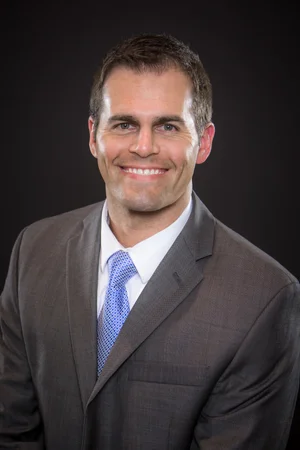
I’m Kevin Sidebottom—keynote speaker, sales trainer, and author—and I help organizations unlock the power of influence to achieve breakthrough results.
In this blog, I reveal why influence is the ultimate currency in business and leadership—and how you can use it to:✅ Motivate customers to stay loyal and buy again✅ Build trust and engagement with your team✅ Transform your leadership approach to inspire stronger performance
With decades of experience studying why people buy and how leaders earn loyalty, I equip sales professionals and executives to deliver lasting value, strengthen customer relationships, and drive higher revenue.
👉 Featured Resources to Grow Your Influence:
· Email: kevin@kevinsidebottom.com